


CTF-66 showcases RAS capabilities with partners in Portugal-led unmanned systems demonstration during REPMUS/Dynamic Messenger 2025
Commander, Task Force 66 (CTF-66) showcased robotic and autonomous systems (RAS) alongside NATO Allies and partners during Portugal-led REPMUS/Dynamic Messenger 2025. The live demonstration featured unmanned surface vessels simulating a swarming attack, countered by U.S. Global Autonomous Reconnaissance Craft (GARC) to protect critical infrastructure. The event highlighted interoperability, capability development, and NATO’s commitment to integrating unmanned systems into fleet operations.

US naval tech firm rolls out new MASC USVs
BlackSea Technologies has introduced its new Modular Attack Surface Craft (MASC), a 20-meter aluminum catamaran unmanned surface vessel designed for containerized, mission-flexible operations. With a 30.5-ton payload capacity, 84 square meters of deck space, and 198 kW of onboard power, the MASC supports seven mission profiles ranging from anti-surface warfare to mine countermeasures. Leveraging proven GARC production lines in Baltimore, BlackSea is prepared to deliver an integrated prototype within six months, accelerating the Navy’s transition to a distributed, modular fleet.

A Global Autonomous Reconnaissance Craft (GARC) is Deployed during UNITAS 2025
A U.S. Navy Global Autonomous Reconnaissance Craft (GARC) was deployed in the Atlantic Ocean during UNITAS 2025, the 66th iteration of the world’s longest-running multinational maritime exercise. Unmanned and remotely operated vessels extended the reach of manned platforms, enhancing capacity and interoperability across the multinational force. UNITAS 2025, hosted by U.S. Naval Forces Southern Command/U.S. 4th Fleet, highlighted regional partnerships and marked the beginning of the U.S. Navy’s 250th Birthday celebrations.

BlackSea Technologies Modular Attack Surface Craft: A New Mission-First Unmanned Surface Vehicle for the Navy
BlackSea Technologies’ Modular Attack Surface Craft (MASC) is a purpose-built unmanned surface vessel designed to meet the Navy’s call for a modular combatant. With a 66-foot aluminum catamaran hull, 67,200 pounds of payload capacity, and containerized mission modules, MASC can shift seamlessly between anti-surface warfare, electronic warfare, logistics, mine countermeasures, and more. Leveraging proven production lines in Baltimore, MASC combines mission-first design, rapid scalability, and naval-level practicality to deliver the future of distributed fleet operations.
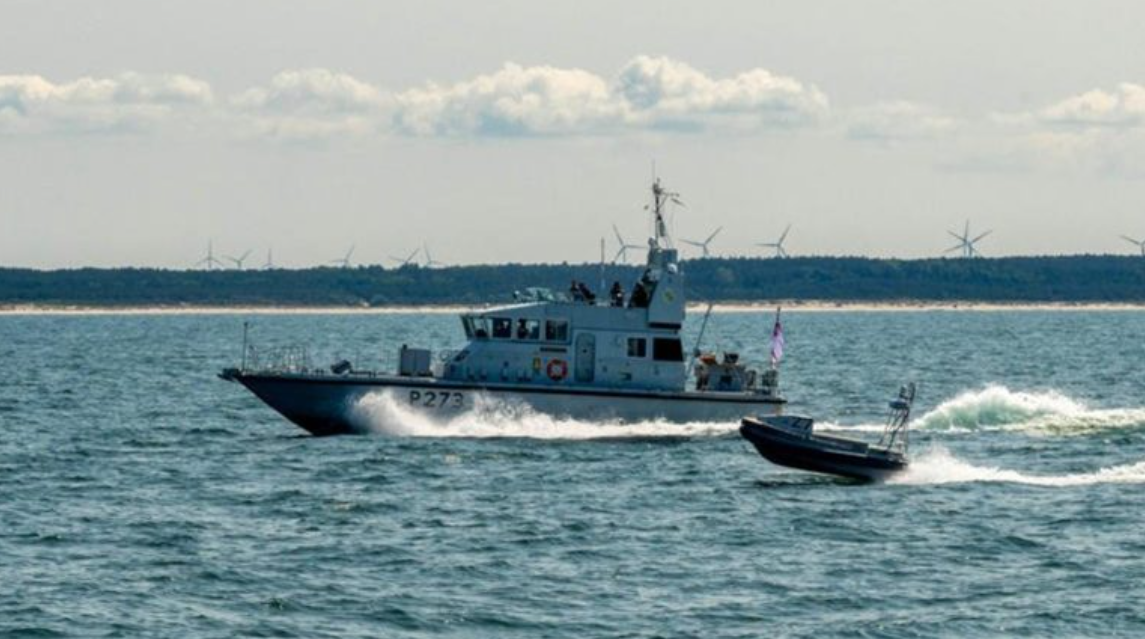
How many drones does it take to replace a destroyer?
The Navy’s Task Force 66 is testing whether fleets of robotic boats can match the missions of a traditional destroyer at a fraction of the cost. Rear Adm. Michael Mattis calls it the “deconstructed DDG”—using 20 uncrewed systems to perform the same tasks as a destroyer, backed by real-world data from NATO and Army exercises in Europe.
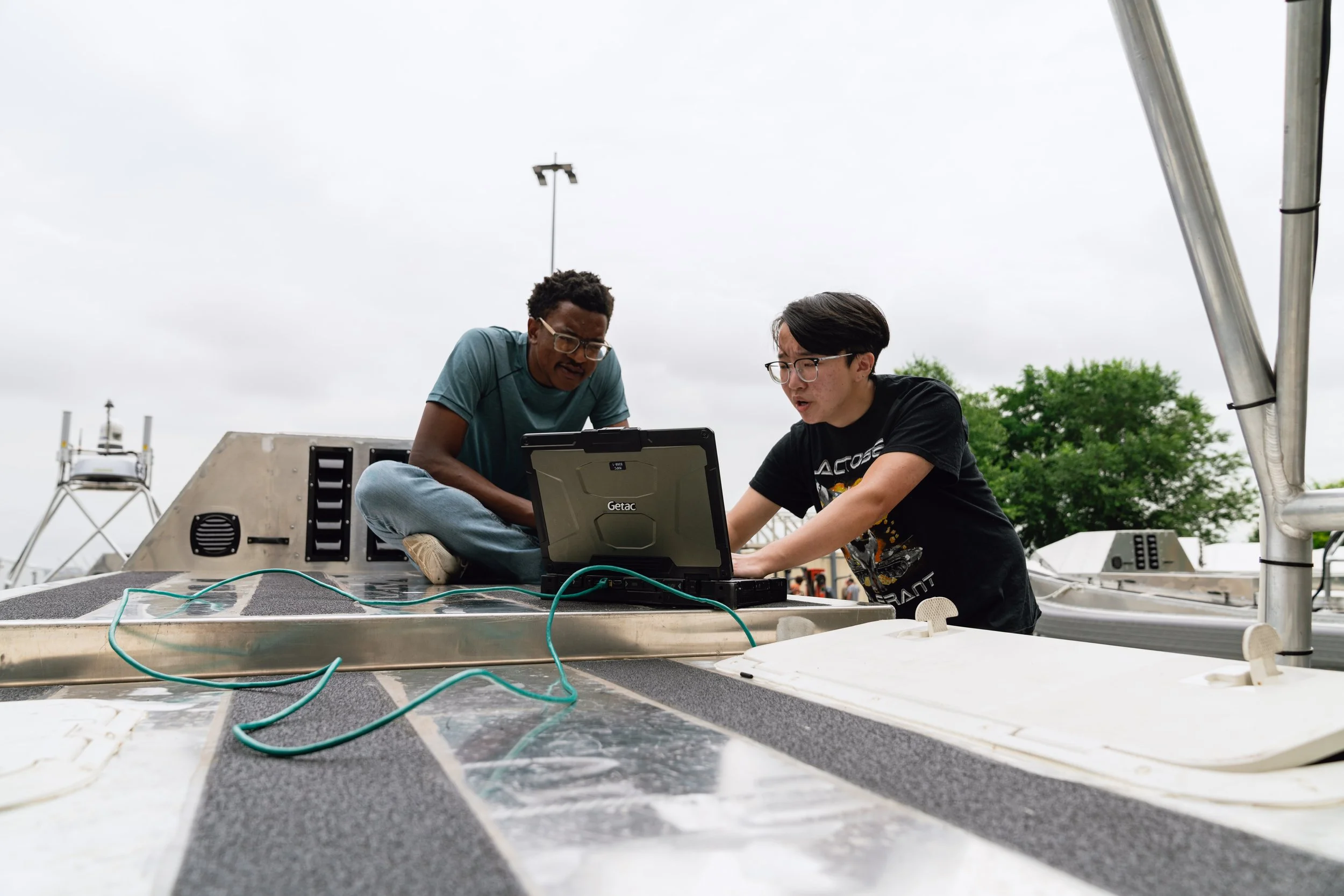
From shipyards to smart tech: Baltimore’s legacy powers a new era of unmanned maritime innovation
Along the same Baltimore waterfront that once launched Liberty ships during World War II, a new generation of vessels is taking shape. BlackSea Technologies is building Global Autonomous Reconnaissance Craft (GARCs) at scale, small unmanned surface vessels capable of operating independently or under remote control anywhere in the world. From quality assurance testing on the Patapsco River to supporting Navy operations abroad, GARCs are designed to take on the dull, dirty, and dangerous missions that free sailors for higher level tasks. With production now reaching 32 units per month, BlackSea Technologies is proving that America’s industrial base can still move fast and deliver what the mission demands.
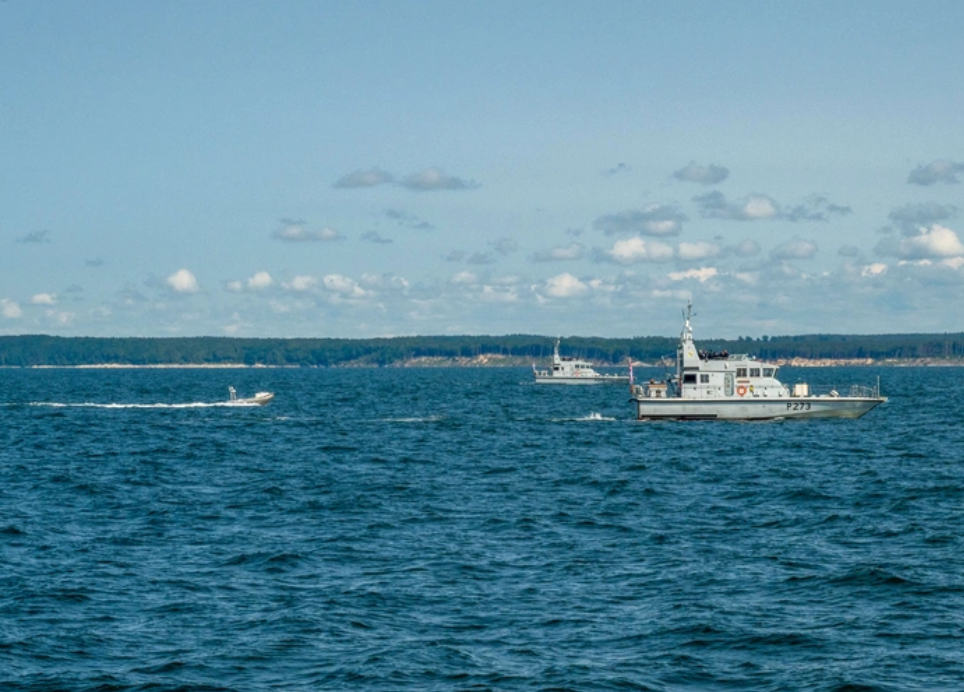
Replicator Drone Initiative Earns Good Grades Two Years In
Two years after launch, the Pentagon’s Replicator initiative has delivered hundreds of autonomous drones to U.S. forces and placed thousands more on contract. By accelerating uncrewed systems across air, land, and sea, the program is reshaping how the military fields technology and setting the stage for the Navy’s largest-ever fleet of autonomous vessels.

Mike Kushin Joins BlackSea Technologies Board of Directors
BlackSea Technologies has named Mike Kushin to its Board of Directors. Kushin, a veteran executive with more than three decades in defense and intelligence, brings expertise in cybersecurity, electronic warfare, and space solutions. He has a proven track record of building programs of national consequence.
SPDS demonstrates expeditionary fuel transfer capability at JEB Little Creek
The Sea-based Petroleum Distribution System (SPDS) completed a full-scale demonstration at Joint Expeditionary Base Little Creek, proving its ability to deliver bulk fuel from sea to shore without traditional infrastructure. Developed with BlackSea Technologies and partner organizations, the system offers a more survivable and flexible alternative to legacy fuel delivery methods.

Autonomous Craft Expanding Navy Use
BlackSea Technologies’ Tim O’Connor sat down with National Defense to discuss how the GARC, our low cost high impact uncrewed surface vessel, is already transforming the Navy’s autonomous fleet. With hundreds fielded and next generation upgrades underway, GARC is shaping the future of maritime operations.