

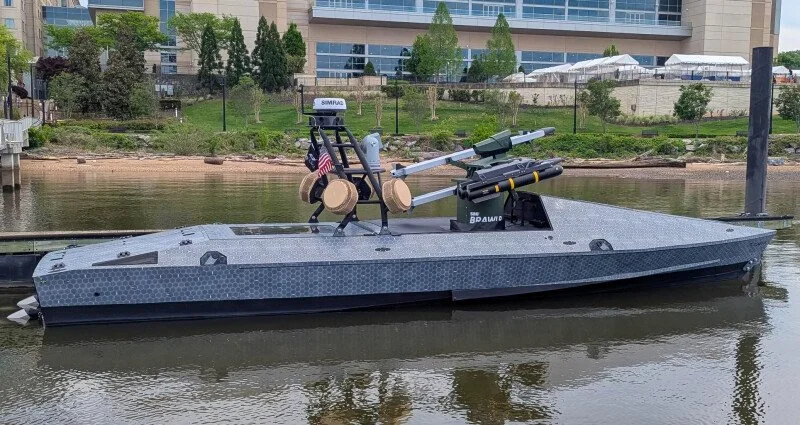
BlackSea Technologies unveils Comet USV with Hellfire and Sidewinder missiles for future US Navy operations.
BlackSea Technologies has revealed an armed version of its Comet unmanned surface vessel, now equipped with Hellfire and Sidewinder missiles for short‑range air and surface defense. The upgraded USV can detect, track, and engage drones, helicopters, and low‑flying aircraft independently, signaling a major shift toward distributed air defense across fast, low‑cost unmanned platforms. Built on a proven hull design and assembled in about a month, the Comet reflects the Navy’s push for rapidly produced, modular systems that can screen larger ships and operate in swarms. Its debut marks one of the most advanced armed USV concepts yet shown by a U.S. manufacturer.
CAVASSHIPS Podcast: Interview with BlackSea President Bob Pudney
BlackSea CEO Bob Pudney joins the CavasShips Podcast to discuss how the company is scaling unmanned surface vessel production, accelerating fleet experimentation, and shaping real‑world CONOPS across multiple theaters. From the evolution of the GARC program to the Navy’s cultural shift toward uncrewed systems, Pudney offers a candid look at what’s working, what’s changing, and what the maritime industrial base needs next.
ANELLO Photonics Wins Design-In on BlackSea’s Autonomous Chaser Maritime Platform
ANELLO Photonics has secured a design win on BlackSea Technologies’ new Chaser autonomous maritime platform, integrating its solid‑state inertial navigation system into the vessel. The selection follows successful demos on the Navy‑linked GARC program and gives Chaser a navigation solution built to operate in GPS‑denied or contested environments. ANELLO’s SiPhOG‑based INS provides precise positioning and heading without reliance on satellite signals, addressing growing concerns over jamming and spoofing. The partnership strengthens ANELLO’s position in defense and commercial autonomy markets and positions the company for broader deployment as unmanned maritime fleets expand.
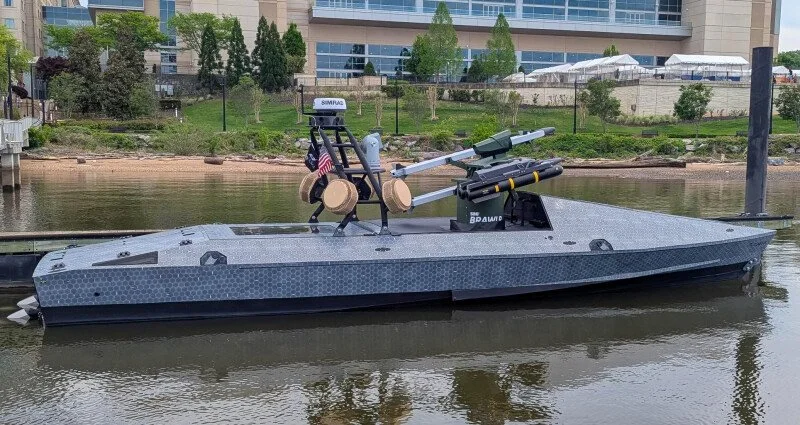
BlackSea Technologies debuts two uncrewed vessels
BlackSea Technologies has introduced two new uncrewed surface vessels, expanding its lineup of modular and combat‑ready maritime drones. The smaller Chaser is built for rapid payload swaps and containerized deployment, while the larger Comet delivers high speed, long range, and heavy mission capacity. Both platforms debut at Sea‑Air‑Space 2026 as BlackSea continues to grow its presence in the Navy’s unmanned fleet, following the widespread fielding of the GARC. With major defense partners contributing sensors, weapons, and electronic systems, the new vessels highlight how quickly autonomous maritime technology is advancing.
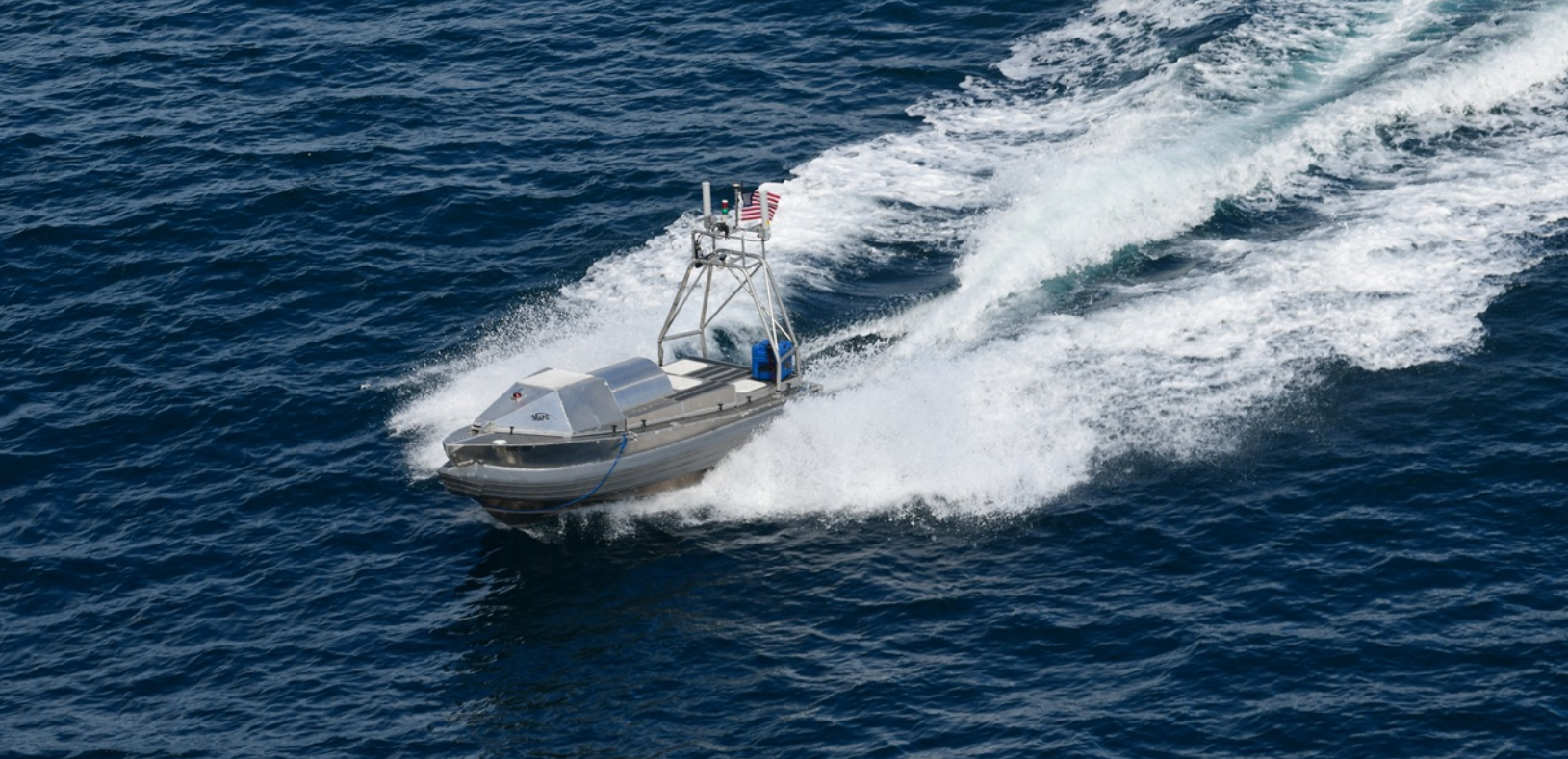
The US Navy’s ‘GARC’ Drone Gets Its Baptism by Fire
The U.S. Navy’s GARC sea drone is seeing its first real combat use as operations against Iran intensify. The small unmanned vessel has already logged hundreds of hours and thousands of miles during Operation Epic Fury, providing surveillance, early warning, and strike support against IRGC fast boats and unmanned threats. Compact, fast, and able to carry a wide range of payloads, the GARC is emerging as a key tool in the Navy’s expanding autonomous fleet. Its deployment offers an early look at how unmanned surface systems are reshaping maritime warfare in contested regions.
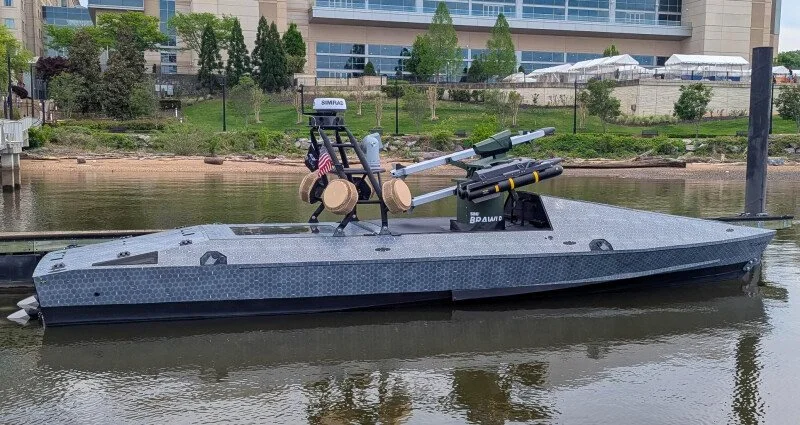
U.S. firm unveils Comet drone boat armed with air defense missiles
BlackSea Technologies has introduced its Comet drone boat in a fully armed configuration, showcasing air defense missiles and advanced sensors at Sea‑Air‑Space 2026. The 13.1‑meter unmanned vessel was built in just one month and can exceed 45 knots while carrying up to 10,000 pounds of payload. Photos from the event show a dual‑rail missile launcher, targeting turret, and navigation radar mounted on a semi‑planing aluminum hull. With long‑range endurance and a modular architecture designed for rapid reconfiguration, Comet represents one of the most heavily armed U.S. unmanned surface vessels to appear publicly and signals a push toward operational, combat‑ready USVs.
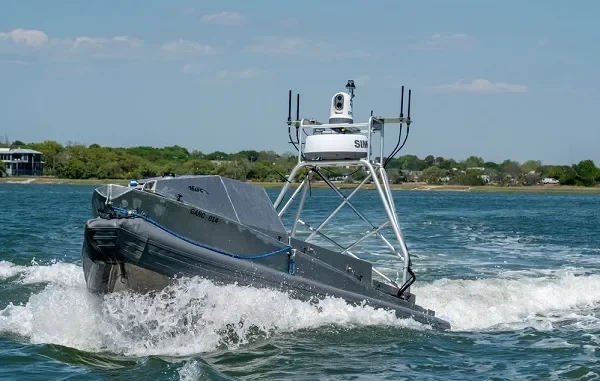
Navy Deploys GARC Sea Drone for Autonomous ISR Operations
The U.S. Navy is expanding its use of autonomous sea drones, including the Global Autonomous Reconnaissance Craft, a small high‑speed vessel designed for ISR missions in contested waters. The GARC has already logged more than 450 hours and 2,200 nautical miles during Operation Epic Fury, according to recent reporting. Built for modular payloads and rapid deployment, the platform supports sensing, mine countermeasures, communications relay, and more. Its growing role aligns with the Navy’s push to integrate unmanned systems across the Fifth Fleet and new units like USVRON 7.
‘It was pretty gruesome': Men who responded to deadly Biscayne Bay boat incident speak
Three employees from BlackSea Technologies, a maritime support contractor for the Department of Defense, rushed to assist victims of a deadly boating accident in Biscayne Bay after hearing a mayday call. The men arrived to find an unmanned vessel circling and two people in the water, one critically injured and one unresponsive. Drawing on their training, they pulled the survivor aboard and applied lifesaving measures until emergency crews arrived. While the incident remains under investigation, the responders say they were simply in the right place at the right time, underscoring the professionalism and readiness that defines their maritime work.
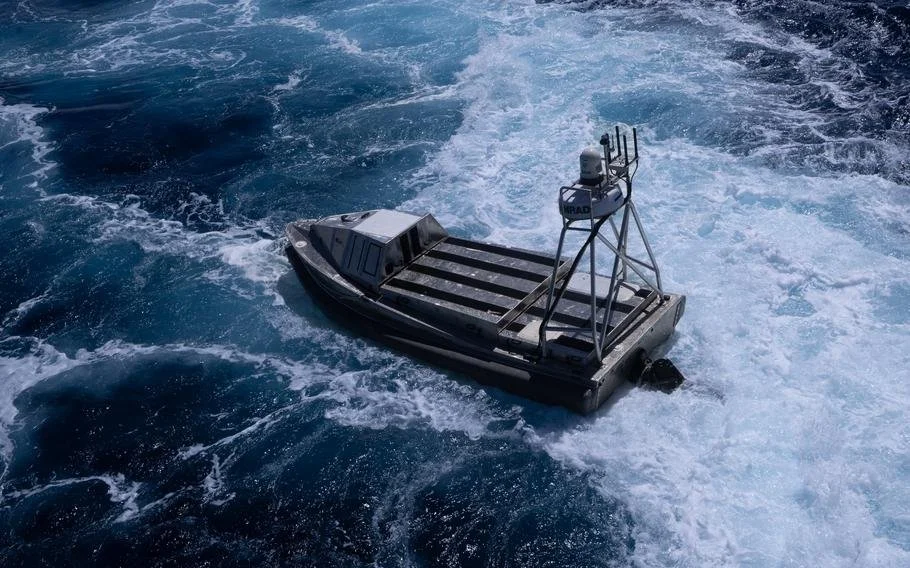
US deploys drone boats in Iran conflict, report says
A new report says the U.S. is using high‑speed drone boats to patrol Middle East waters as tensions with Iran escalate. The uncrewed vessels, called Global Autonomous Reconnaissance Craft, have already logged hundreds of hours at sea during Operation Epic Fury. Their deployment comes as Iran continues to disrupt traffic in the Strait of Hormuz and the U.S. weighs additional military options. The Navy has been expanding its use of unmanned systems in the region, and these craft can carry significant payloads while supporting surveillance and strike missions.
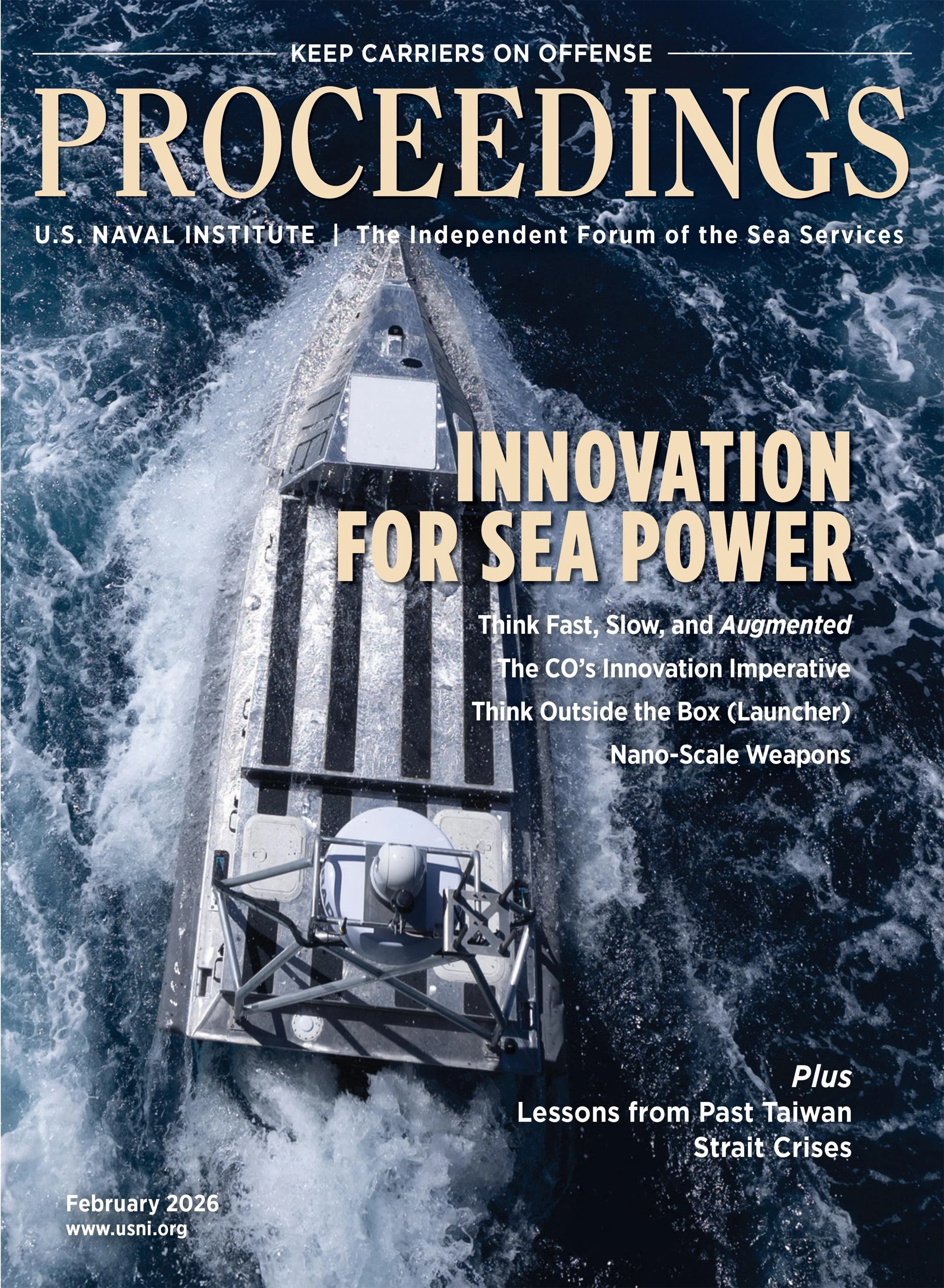
Proceedings: Innovation for Sea Power
BlackSea’ Global Autonomous Reconnaissance Craft was featured in February 2026’s Proceedings on Innovation for Sea Power.