
From Pier to Platform: Seabees Enable Autonomous Operations During Obangame Express 2026
U.S. Navy Seabees are supporting the future of autonomous maritime operations during Exercise Obangame Express 2026 by constructing a floating pier designed for launching and recovering unmanned surface vessels in the Gulf of Guinea. The project demonstrates how expeditionary engineering can enable autonomous systems in regions with limited infrastructure, giving naval forces new forward operating options. Working alongside partner nations, Seabees are building flexible platforms that support maritime security, enhance awareness, and expand operational reach. The effort reflects a broader push to integrate unmanned systems into routine naval missions while strengthening cooperation across West and Central Africa.
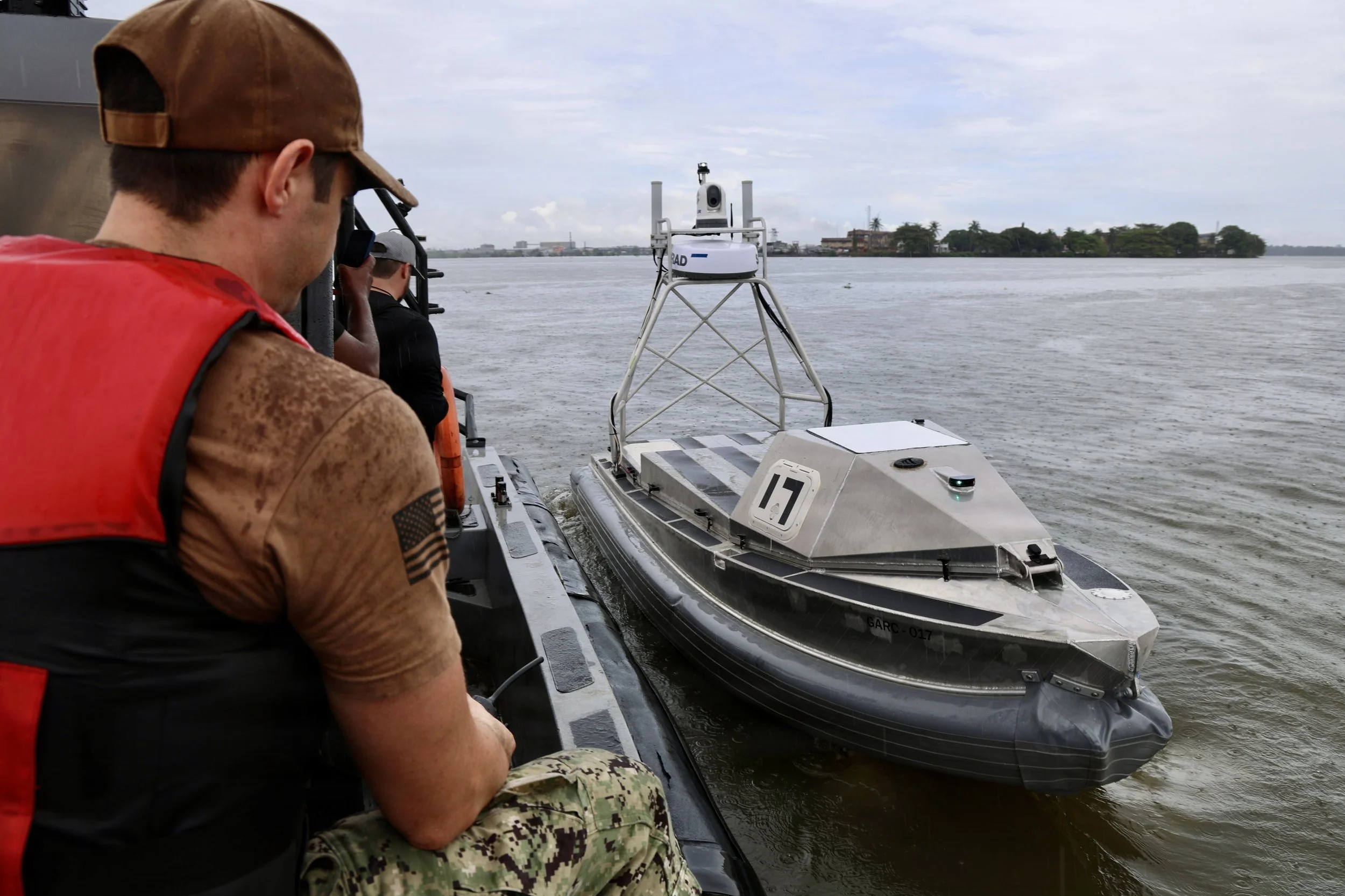
CTF 66 Conducts Autonomous Systems Demonstration During Obangame Express 2026
Lt. Alex Varon, assigned to Commander, Task Force (CTF) 66, monitors a Global Autonomous Reconnaissance Craft (GARC) during a live robotic and autonomous systems (RAS) demonstration during Exercise Obangame Express 2026 in Douala, Cameroon, April 25, 2026. Obangame Express is one of three regional maritime exercises led by U.S. Sixth Fleet as part of a comprehensive strategy to provide collaborative opportunities to African forces and international partners to address maritime security concerns.
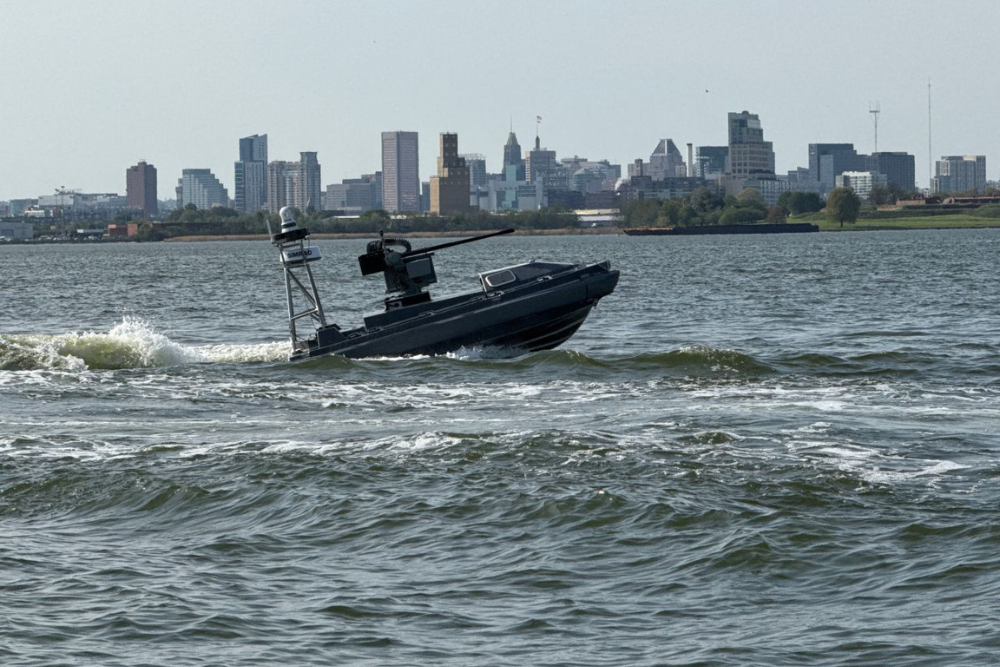
EOS demonstrates R400 RWS on Chaser uncrewed surface vessel
EOS has demonstrated its R400 remote weapon system on BlackSea Technologies’ Chaser uncrewed surface vessel during Sea‑Air‑Space 2026, marking the first time the R400 has been deployed on a USV in the United States. The integration pairs the 30 mm cannon system with sensors and launchers from partners including Lockheed Martin, Echodyne, and Current. The rapid adaptation of the R400 to an autonomous maritime platform shows how quickly the system can transition from concept to live demonstration. The event also opens new avenues for engagement with U.S. Navy stakeholders as demand grows for armed and multi‑domain unmanned systems.

ANELLO Maritime INS Selected for BlackSea Technologies’ Chaser ASV Platform
ANELLO Photonics’ Maritime Inertial Navigation System has been selected for integration into BlackSea Technologies’ Chaser autonomous surface vessel, giving the platform a high‑precision navigation solution for GPS‑denied operations. Built on ANELLO’s Silicon Photonics Optical Gyroscope technology, the INS provides accurate heading and positioning without relying on satellite signals, a growing need as jamming and spoofing threats increase. The selection follows earlier demonstrations on the GARC platform and strengthens Chaser’s modular mission capabilities. The partnership also reflects a broader shift toward resilient, internally driven navigation systems as autonomous maritime fleets expand.
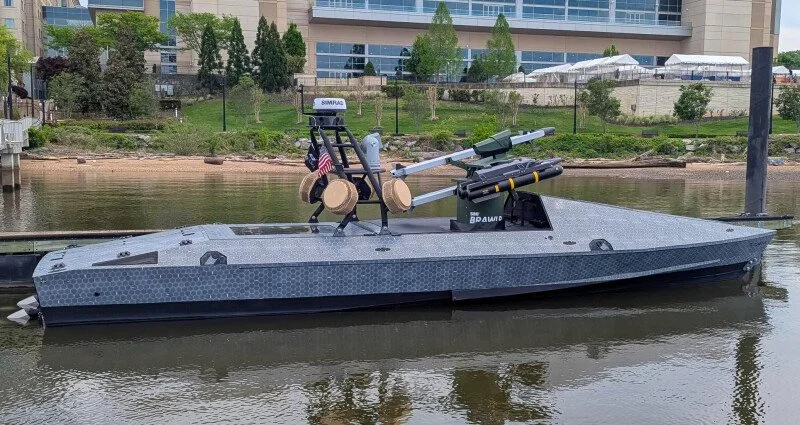
Another US drone firm launches two new USV designs
BlackSea Technologies has introduced two new unmanned surface vessels, unveiling a modular model and a larger high‑speed combat‑focused design. The smaller platform fits inside a standard 20‑foot container and supports rapid payload swaps for missions ranging from ISR to surface operations. The 13.1‑meter high‑speed variant can exceed 45 knots and carry more than 4,500 kilograms of payload for roles such as mine countermeasures and surface warfare. With contributions from major defense partners and more than 350 earlier GARC units already delivered, the new designs highlight BlackSea’s push to expand its autonomous maritime fleet.
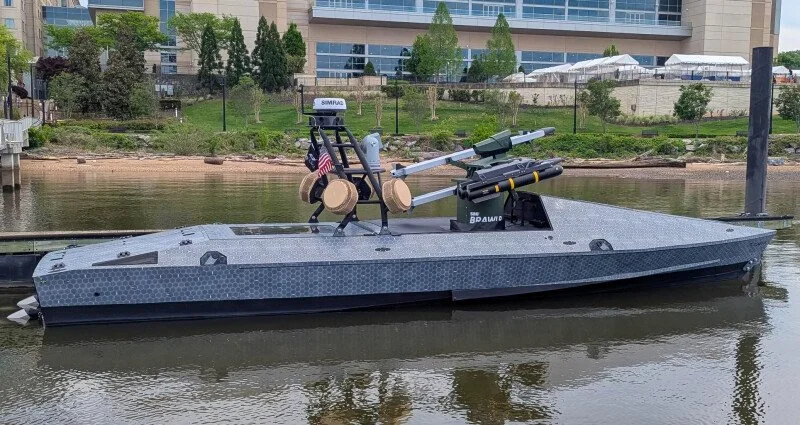
BlackSea Technologies unveils Comet USV with Hellfire and Sidewinder missiles for future US Navy operations.
BlackSea Technologies has revealed an armed version of its Comet unmanned surface vessel, now equipped with Hellfire and Sidewinder missiles for short‑range air and surface defense. The upgraded USV can detect, track, and engage drones, helicopters, and low‑flying aircraft independently, signaling a major shift toward distributed air defense across fast, low‑cost unmanned platforms. Built on a proven hull design and assembled in about a month, the Comet reflects the Navy’s push for rapidly produced, modular systems that can screen larger ships and operate in swarms. Its debut marks one of the most advanced armed USV concepts yet shown by a U.S. manufacturer.
CAVASSHIPS Podcast: Interview with BlackSea President Bob Pudney
BlackSea CEO Bob Pudney joins the CavasShips Podcast to discuss how the company is scaling unmanned surface vessel production, accelerating fleet experimentation, and shaping real‑world CONOPS across multiple theaters. From the evolution of the GARC program to the Navy’s cultural shift toward uncrewed systems, Pudney offers a candid look at what’s working, what’s changing, and what the maritime industrial base needs next.
ANELLO Photonics Wins Design-In on BlackSea’s Autonomous Chaser Maritime Platform
ANELLO Photonics has secured a design win on BlackSea Technologies’ new Chaser autonomous maritime platform, integrating its solid‑state inertial navigation system into the vessel. The selection follows successful demos on the Navy‑linked GARC program and gives Chaser a navigation solution built to operate in GPS‑denied or contested environments. ANELLO’s SiPhOG‑based INS provides precise positioning and heading without reliance on satellite signals, addressing growing concerns over jamming and spoofing. The partnership strengthens ANELLO’s position in defense and commercial autonomy markets and positions the company for broader deployment as unmanned maritime fleets expand.
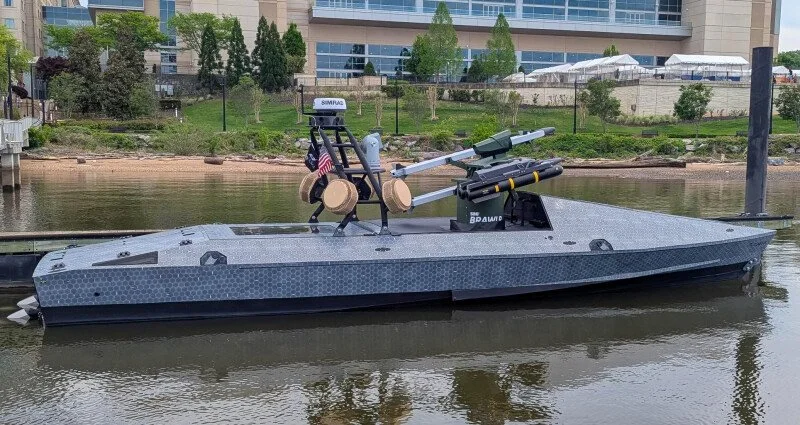
BlackSea Technologies debuts two uncrewed vessels
BlackSea Technologies has introduced two new uncrewed surface vessels, expanding its lineup of modular and combat‑ready maritime drones. The smaller Chaser is built for rapid payload swaps and containerized deployment, while the larger Comet delivers high speed, long range, and heavy mission capacity. Both platforms debut at Sea‑Air‑Space 2026 as BlackSea continues to grow its presence in the Navy’s unmanned fleet, following the widespread fielding of the GARC. With major defense partners contributing sensors, weapons, and electronic systems, the new vessels highlight how quickly autonomous maritime technology is advancing.
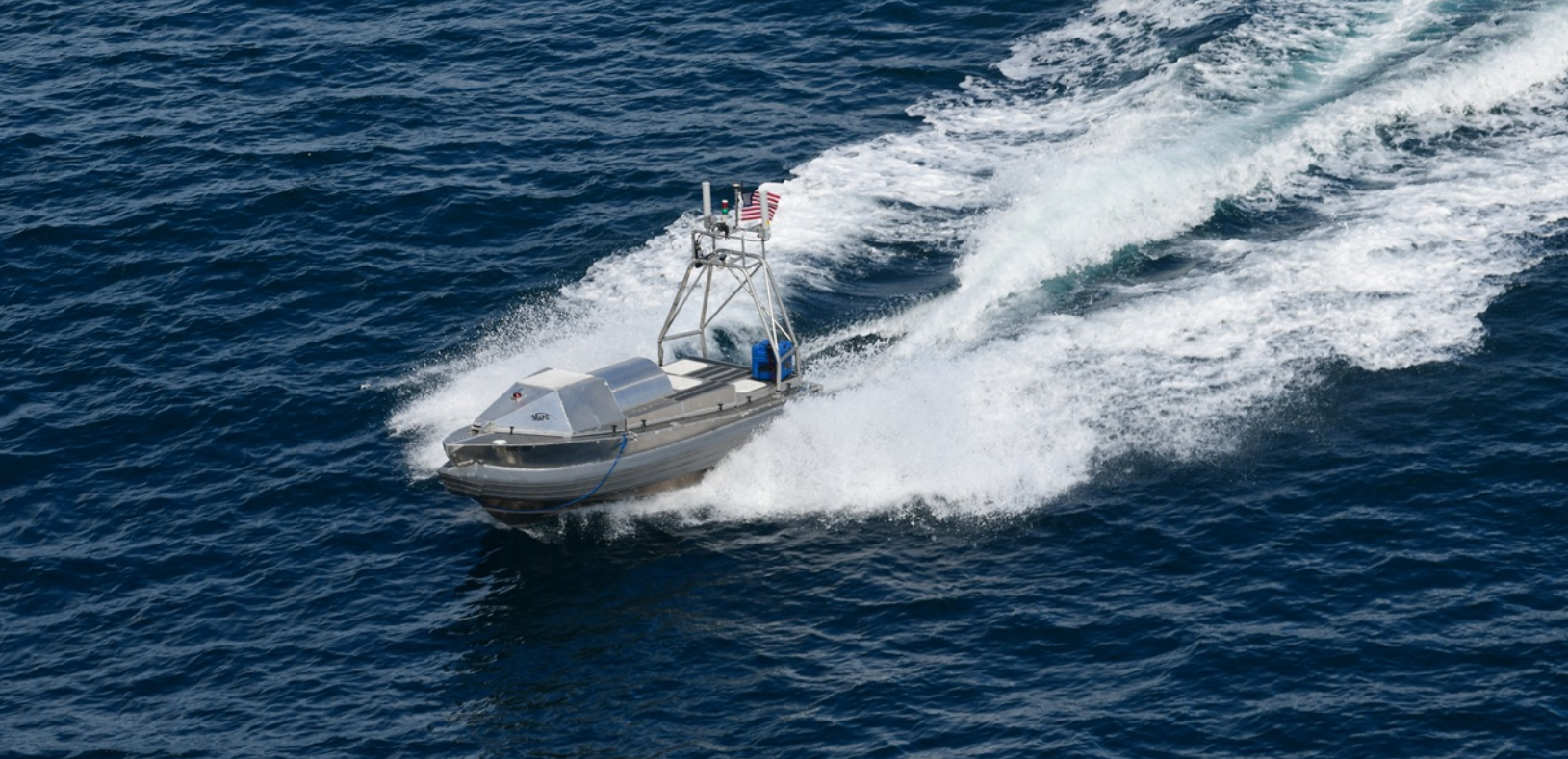
The US Navy’s ‘GARC’ Drone Gets Its Baptism by Fire
The U.S. Navy’s GARC sea drone is seeing its first real combat use as operations against Iran intensify. The small unmanned vessel has already logged hundreds of hours and thousands of miles during Operation Epic Fury, providing surveillance, early warning, and strike support against IRGC fast boats and unmanned threats. Compact, fast, and able to carry a wide range of payloads, the GARC is emerging as a key tool in the Navy’s expanding autonomous fleet. Its deployment offers an early look at how unmanned surface systems are reshaping maritime warfare in contested regions.