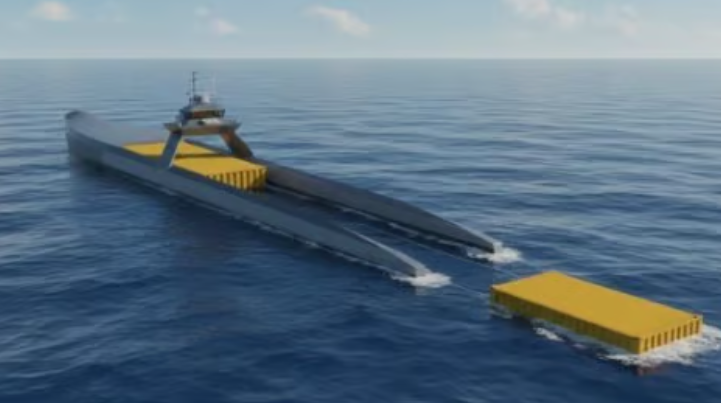
Drawing on LASH Heritage, BlackSea Builds Carrier for Floating ISO Boxes
BlackSea Technologies has reimagined the classic LASH concept with NightTrain, a low‑visibility autonomous vessel designed to carry floating ISO containers for contested logistics. The new 85‑foot platform offers modular cargo handling, shallow‑water delivery, and long‑range endurance—providing a resilient alternative to traditional maritime sustainment routes.
AEVEX to acquire BlackSea Technologies for up to $650 million
AEVEX Corp. is set to acquire BlackSea Technologies for up to $650 million, adding the Baltimore manufacturer’s unmanned maritime platforms to its growing autonomy portfolio. The deal expands AEVEX’s production capacity, strengthens ties to key U.S. defense customers, and supports multi-domain operations across air, surface, and subsea environments.
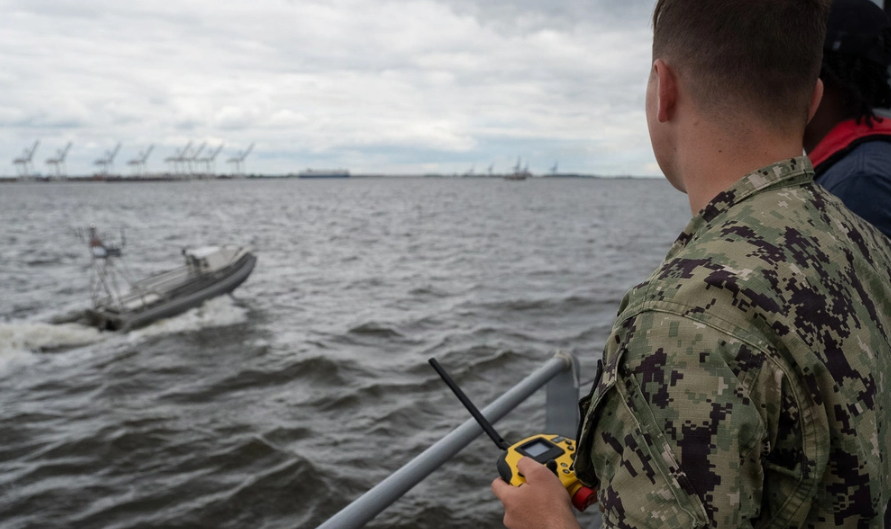
YP NEXT: U.S. Naval Academy integrates Robotics and Autonomous Systems into summer training aboard Yard Patrol craft
U.S. Naval Academy midshipmen completed the inaugural YP NEXT training block, deploying robotics and autonomous systems from Yard Patrol craft for the first time. The program immerses future naval leaders in unmanned technologies through hands-on instruction, tactical mission exercises, and fleet-integrated training spanning industry partners, academia, and operational forces.
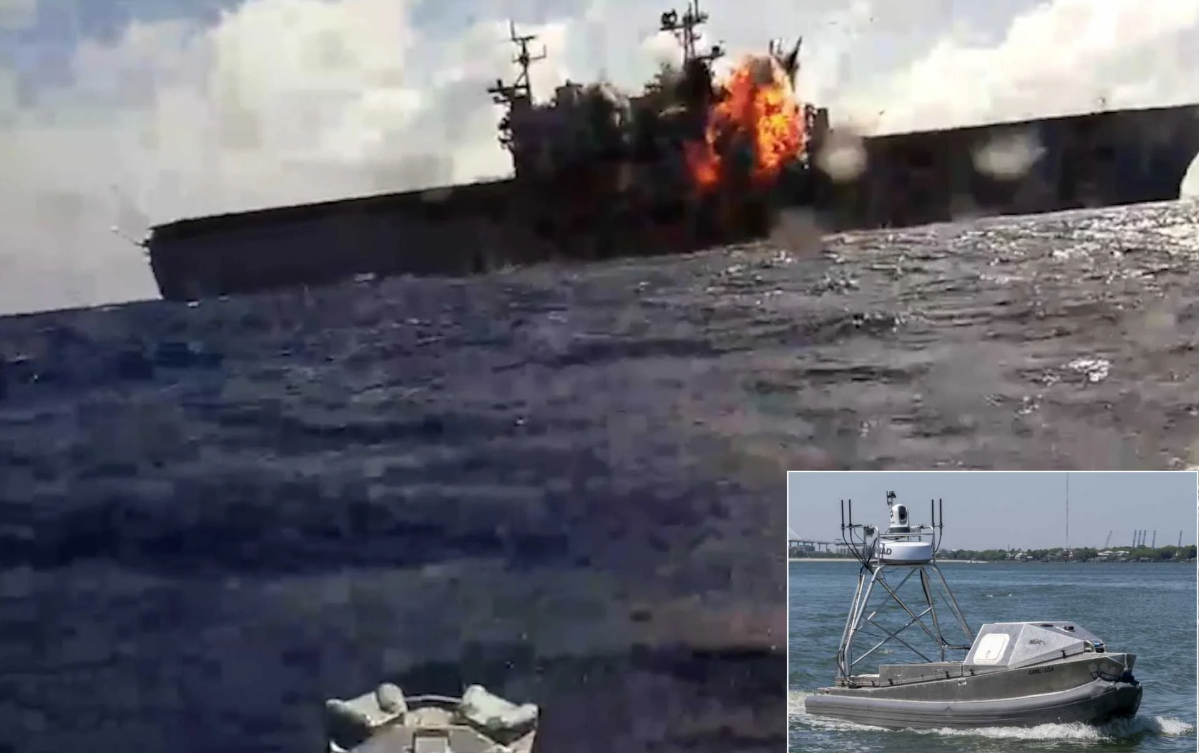
US Navy conducts first GARC kamikaze sea drone strike on USS Peleliu in RIMPAC 2026 SINKEX exercise.
The U.S. Navy has conducted its first GARC kamikaze sea drone strike during RIMPAC 2026, deploying autonomous vessels against the decommissioned USS Peleliu. The live-fire test demonstrated how low-profile USVs carrying 454‑kg warheads can deliver precise, follow‑on damage after missile and air strikes in complex maritime combat conditions.
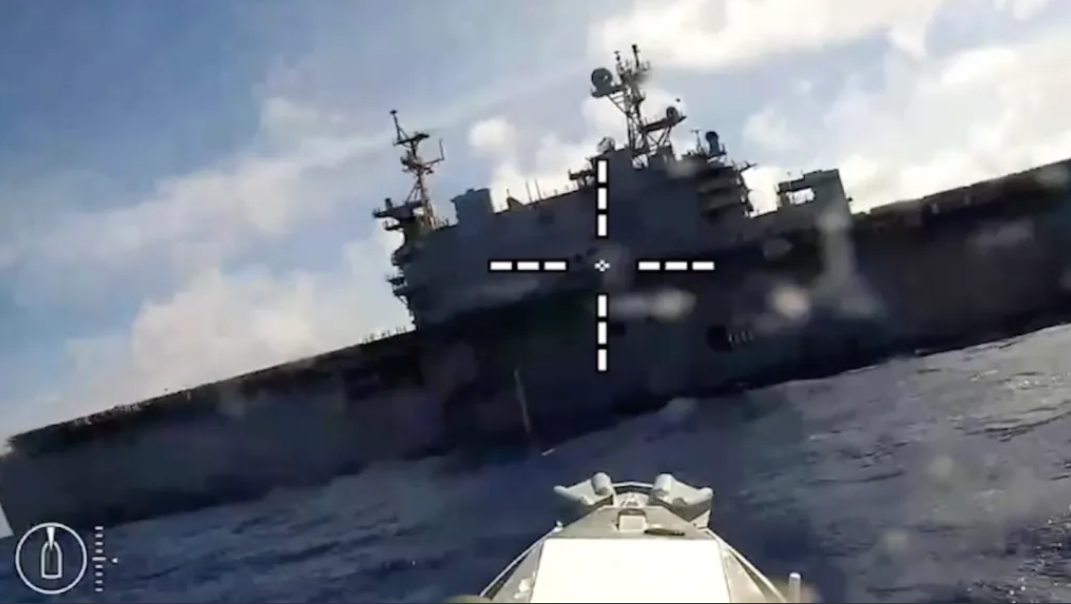
Navy’s GARC Kamikaze Drone Boat Blew A Hole In Ex-USS Peleliu During Sinking Exercise
The U.S. Navy confirmed its first destructive GARC kamikaze drone‑boat strike during RIMPAC 2026, when a USV blew a hole in the former USS Peleliu during a SINKEX. Footage shows the 16‑foot craft delivering a 1,000‑lb payload near the waterline, highlighting the Navy’s rapidly expanding unmanned strike capabilities.
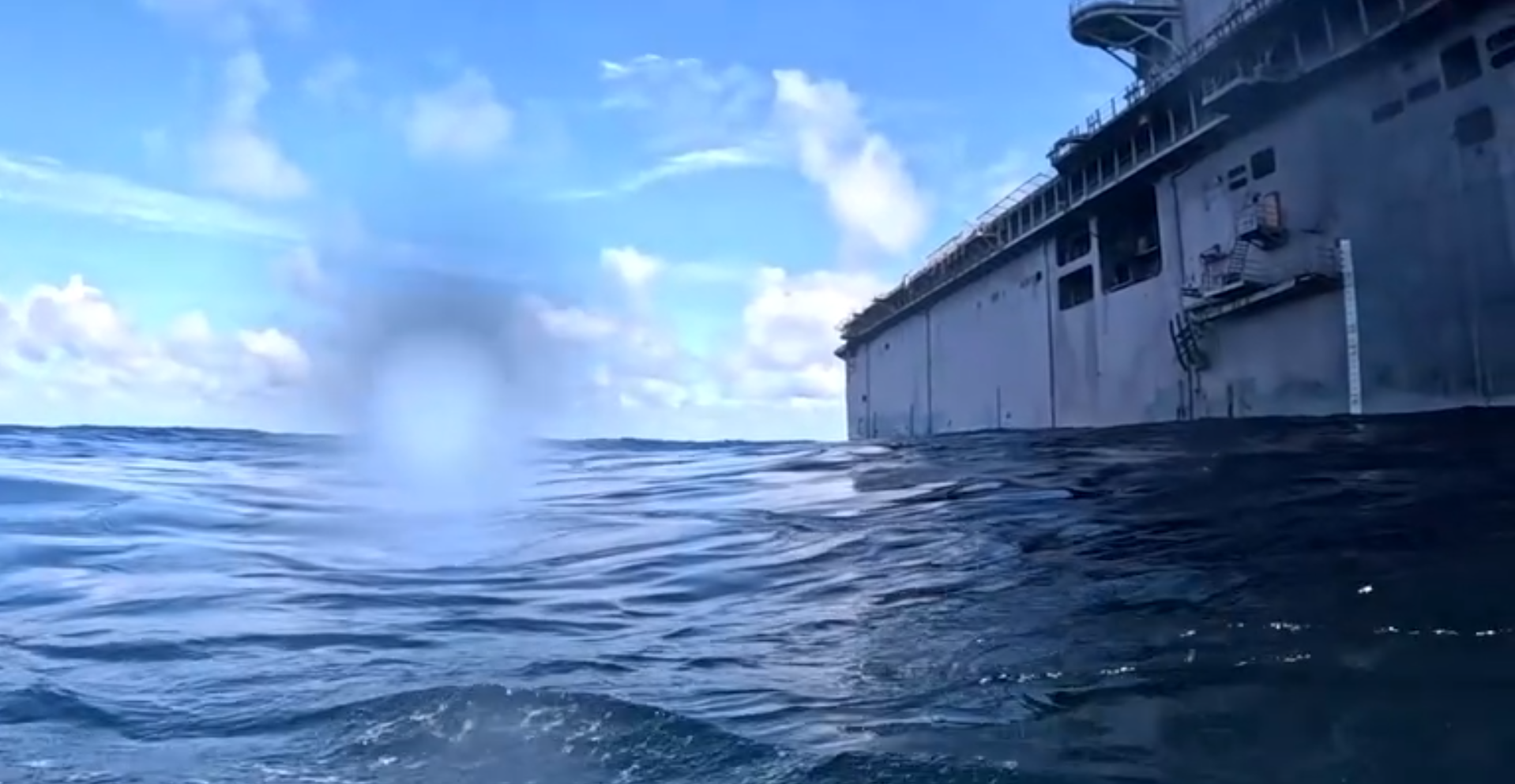
USVs participate in RIMPAC 2026 sinking exercise
U.S. Navy unmanned surface vessels joined the RIMPAC 2026 SINKEX, delivering coordinated strikes against the decommissioned amphibious assault ship USS Peleliu. This B‑roll showcases USVs maneuvering around the 40,000‑ton hulk during the Pacific exercise, highlighting the Navy’s expanding integration of autonomous maritime systems.
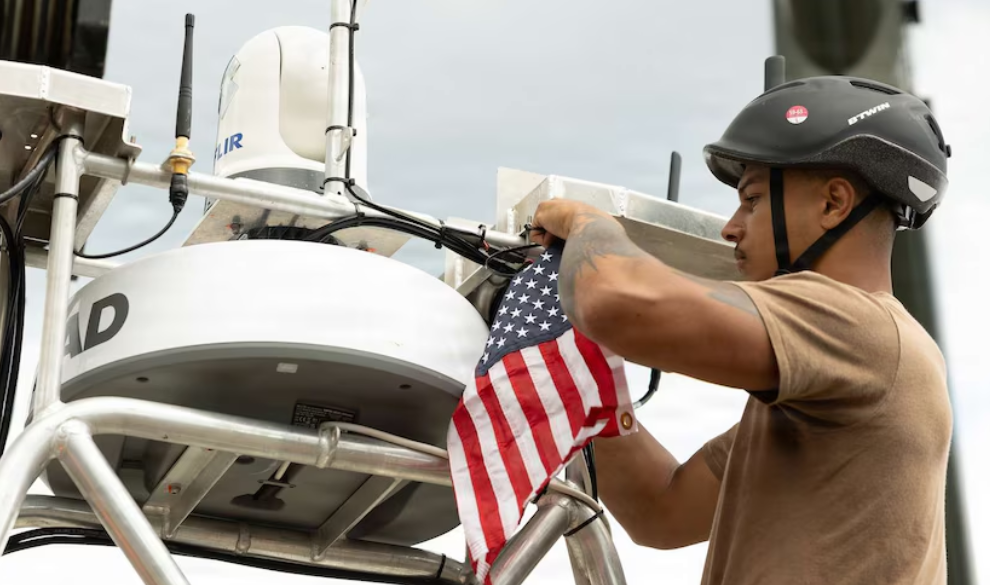
USVDIV-32 Advances Unmanned Operations With NATO During BALTOPS 2026
Unmanned Surface Vessel Division 32 is helping shape the Navy’s future during BALTOPS 2026, working alongside NATO allies to refine counter-unmanned surface vessel tactics. As one of the Navy’s newest unmanned operations units, USVDIV‑32 is pioneering the use of platforms like the global autonomous reconnaissance craft while robotics warfare specialists take on a growing role in maintaining and operating emerging technologies. Their efforts during the exercise highlight the increasing importance of unmanned systems in modern naval operations.

Bob Pudney of Black Sea Technologies on the Future of Naval Warfare | 13th & Park
Bob Pudney, President of Black Sea Technologies, joins 13th and Park to discuss how autonomous and unmanned surface vessels are redefining naval power. A Naval Academy graduate and 21-year veteran of surface warfare and naval special operations, Pudney brings firsthand perspective to one of the most significant shifts in military technology in generations. From the Black Sea to the Strait of Hormuz, unmanned boats are no longer experimental. They are operational.
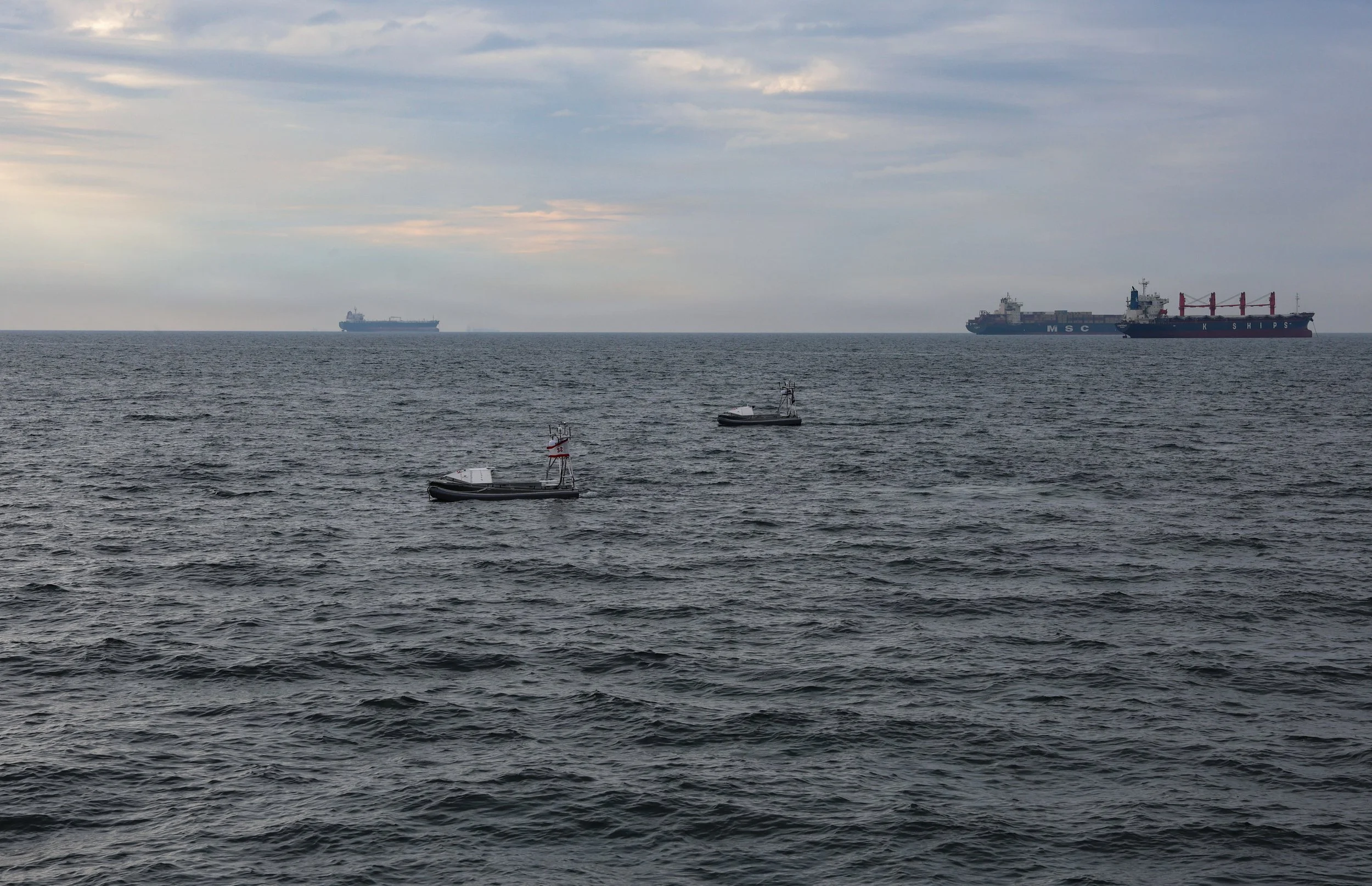
USVDIV-32 and USS Mount Whitney (LCC 20) conduct a swarm
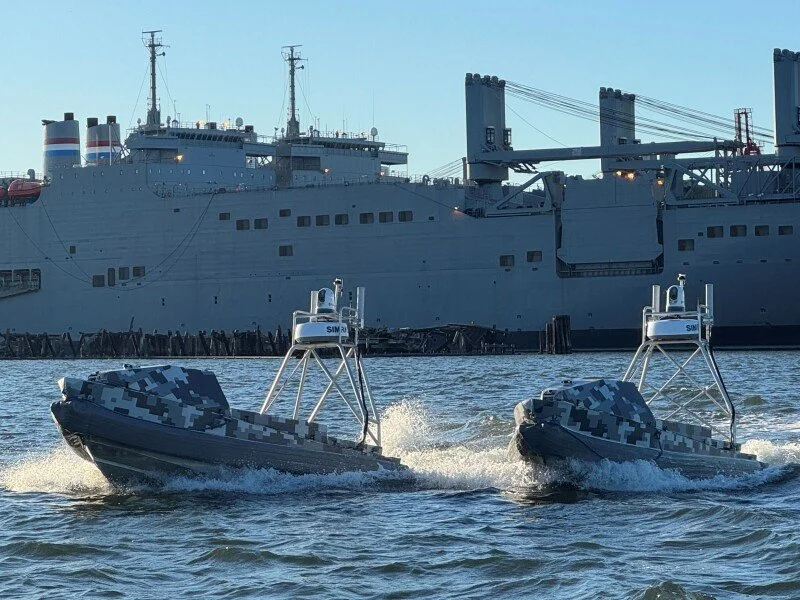
During BALTOPS 2026, two Global Autonomous Reconnaissance Craft built by BlackSea Technologies were photographed idling in the Baltic Sea as Unmanned Surface Vessel Division 32 prepared for a swarm exercise with USS Mount Whitney. The image captures the GARCs staging at the start point before joining NATO’s premier Baltic Sea training event, which strengthens combined maritime response and freedom of navigation. Their role in the swarm highlights how small autonomous platforms are increasingly integrated into distributed operations and multinational exercises across Europe.
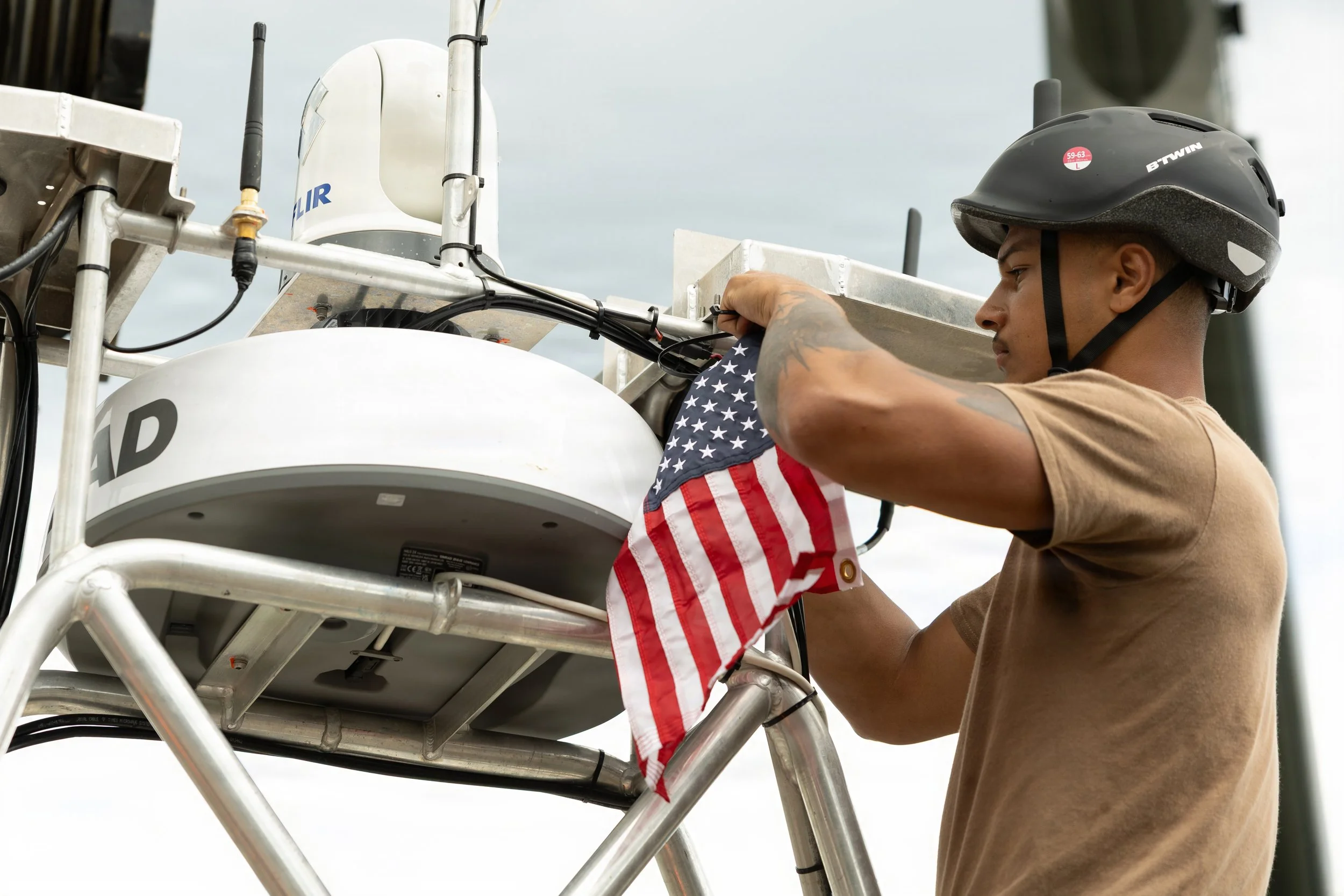
USV Squadron 3, Division 32 Conducts Swarm Exercise in BALTOPS 2026
During BALTOPS 2026, sailors from Unmanned Surface Vessel Squadron 3 Division 32 remotely operated BlackSea Technologies’ GARC unmanned surface vessel during a swarm exercise off the coast of Gdynia, Poland. Navy imagery shows a USVRON‑3 operator controlling the craft as part of NATO’s premier Baltic Sea training event, which strengthens combined maritime response and freedom of navigation. The demonstration highlights GARC’s growing incorporation into distributed unmanned tactics and real‑world fleet operations across Europe, underscoring the platform’s role in advancing autonomous capabilities within allied exercises.