Jet Logistics, Blue Tide Aviation launch new cargo service
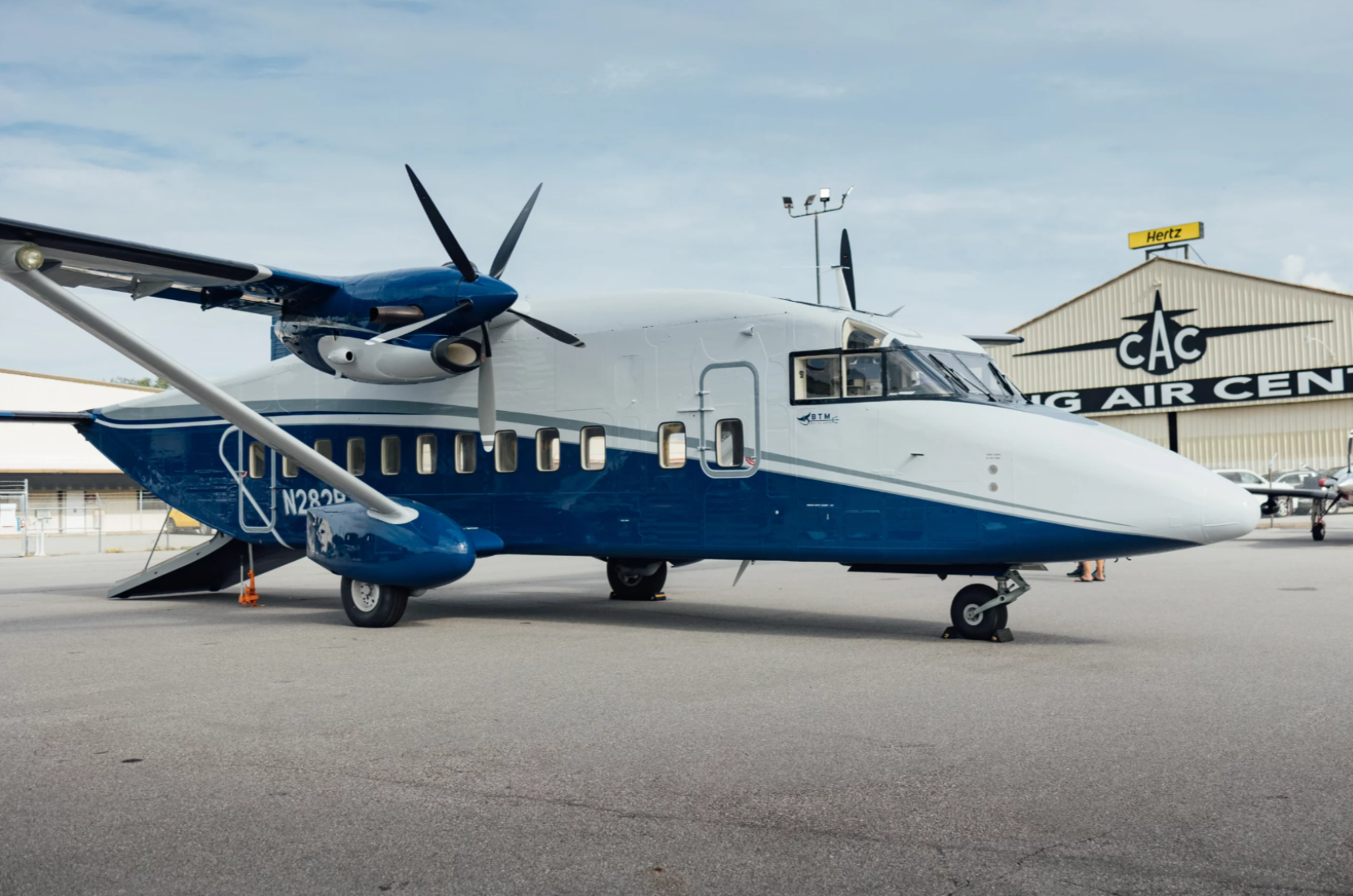
Jet Logistics and Blue Tide Aviation have launched a new cargo and COMBI transport service connecting Florida, The Bahamas, and the wider Caribbean. The expansion uses Blue Tide’s C‑23 Sherpa aircraft, known for its short takeoff and landing performance and ability to operate from unimproved runways. Jet Logistics brings an accredited Part 135 platform and long‑standing regional experience, while Blue Tide contributes deep expertise in remote logistics, AOG support, government missions, and disaster response. Together, the partnership aims to deliver faster, more flexible air cargo solutions across key inter‑island routes and direct lift to and from the United States.
U.S., Cameroon Boost Maritime Security with Unmanned Systems During Obangame Express 2026
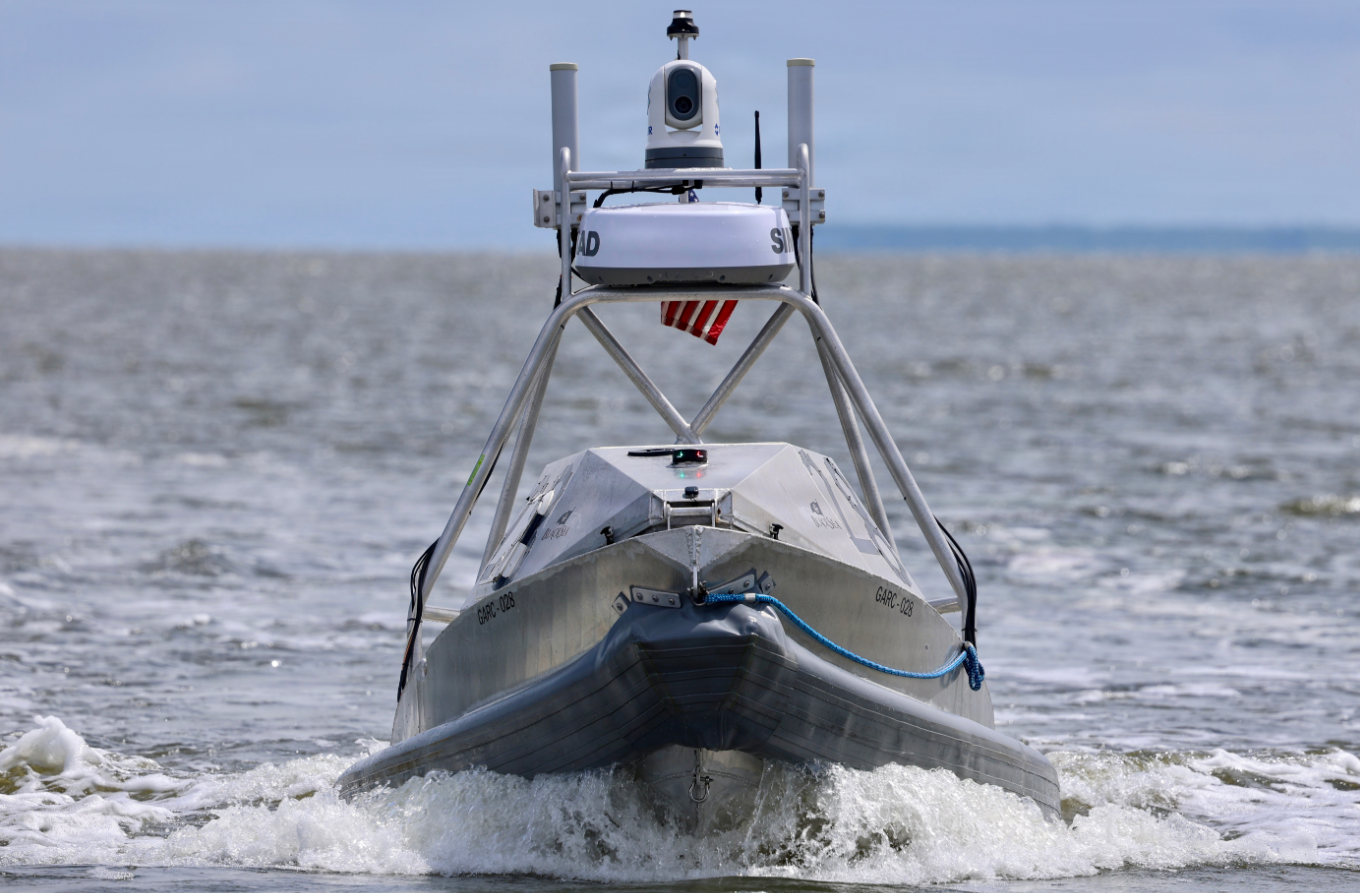
U.S. Sixth Fleet expanded its use of unmanned surface vessels during Exercise Obangame Express 2026, integrating Lightfish and GARC platforms to demonstrate rapid, layered maritime security operations in the Gulf of Guinea. Shoreside operators used Lightfish systems to detect simulated threats, while high‑speed GARC vessels were deployed to intercept targets, showcasing a fast‑response unmanned capability that requires minimal infrastructure. The exercise highlighted how USVs can extend awareness, protect critical waterways, and project power into contested regions within hours. The event also strengthened collaboration between U.S., Cameroonian, and partner‑nation forces focused on regional maritime security.
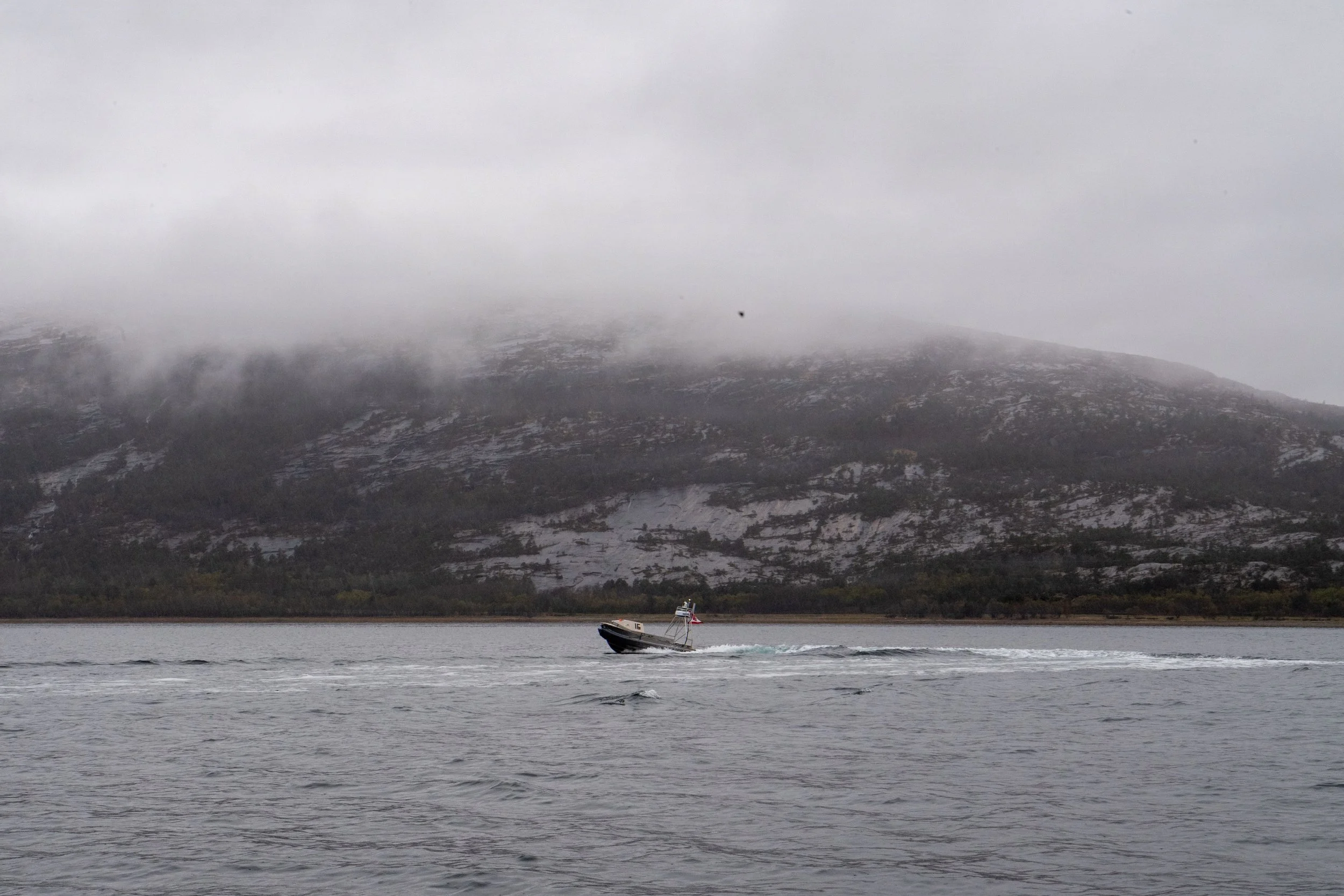
CTF 66 and USVRON 3 participate in Arctic Sentry 2026
A Global Autonomous Reconnaissance Craft, attached to Commander, Task Force (CTF) 66, operates in Breivika Bay during Arctic Sentry 2026. Launched in February 2026, Arctic Sentry reflects Allies’ collective understanding that NATO must do even more as an alliance to ensure security in the Arctic and the High North, and to further strengthen its ability to operate in the region.
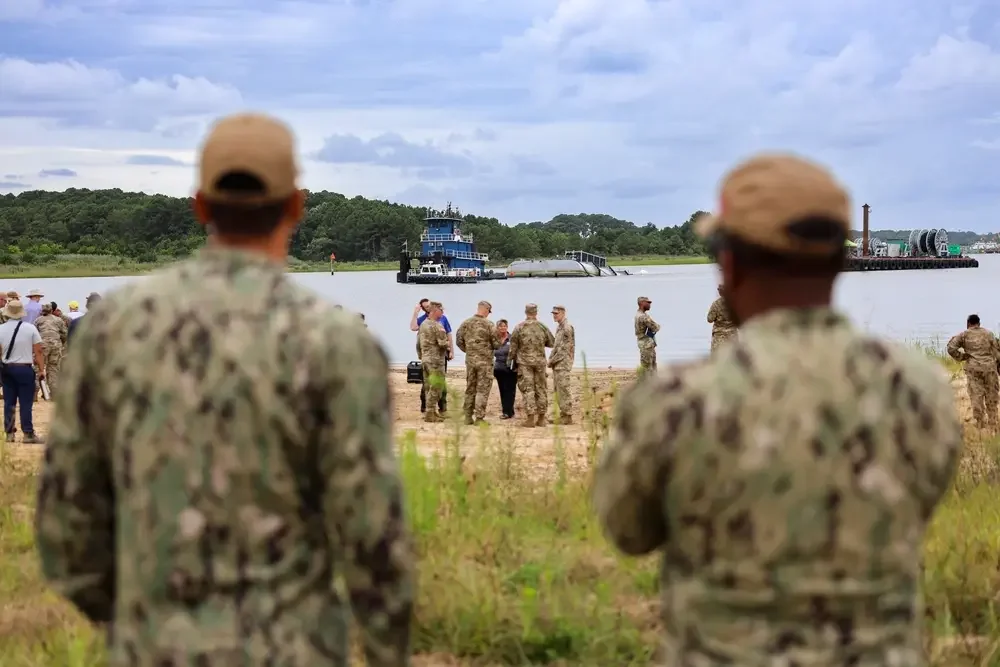
BlackSea Scores $256M Navy Contract for SPDS
BlackSea Technologies has secured a $256 million Navy contract to build and support the Seabased Petroleum Distribution System, a next‑generation capability that pumps fuel from ship to shore without relying on vulnerable port infrastructure. The award covers up to five SPDS units, with production based in Baltimore and deliveries beginning in 2027. The system uses a submerged barge, over‑the‑shore connectors, and advanced controls to move fuel in contested environments, reducing manpower and detection risk. The contract expands BlackSea’s portfolio beyond its well‑known GARC, Chaser, NightTrain, and Comet unmanned vessels, underscoring the company’s growing role in expeditionary logistics.
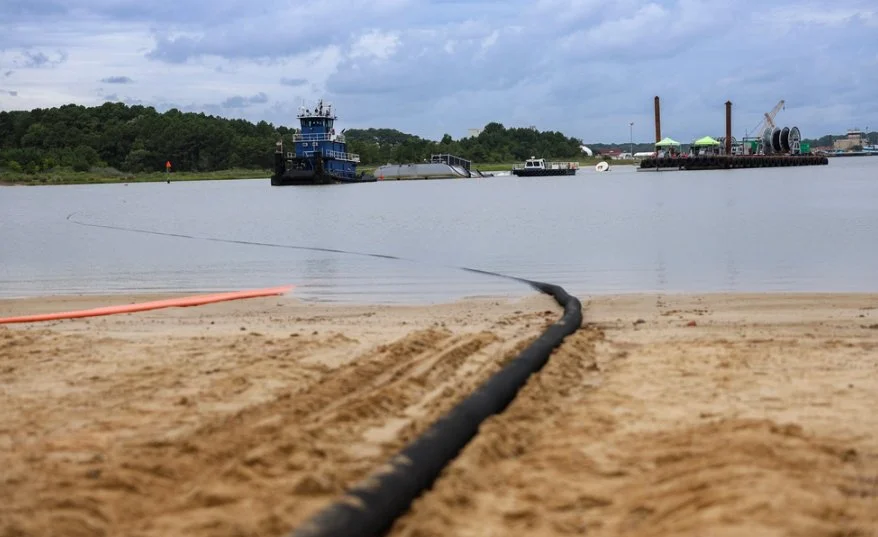
BlackSea Technologies Awarded $256 Million Navy Contract
BlackSea Technologies has been awarded a five‑year, $256 million Navy contract to build and support the Seabased Petroleum Distribution System, a next‑generation capability that delivers fuel from sea to shore in contested or infrastructure‑limited environments. Under the award, BlackSea will construct up to five SPDS units, with primary production based in Baltimore and additional work supported by Gulf Coast partners. The system enhances expeditionary readiness by providing a flexible, resilient method for sustaining operations when fixed infrastructure is unavailable. BlackSea says the program draws on its maritime engineering expertise and strengthens the Navy’s ability to project and sustain power in future missions.
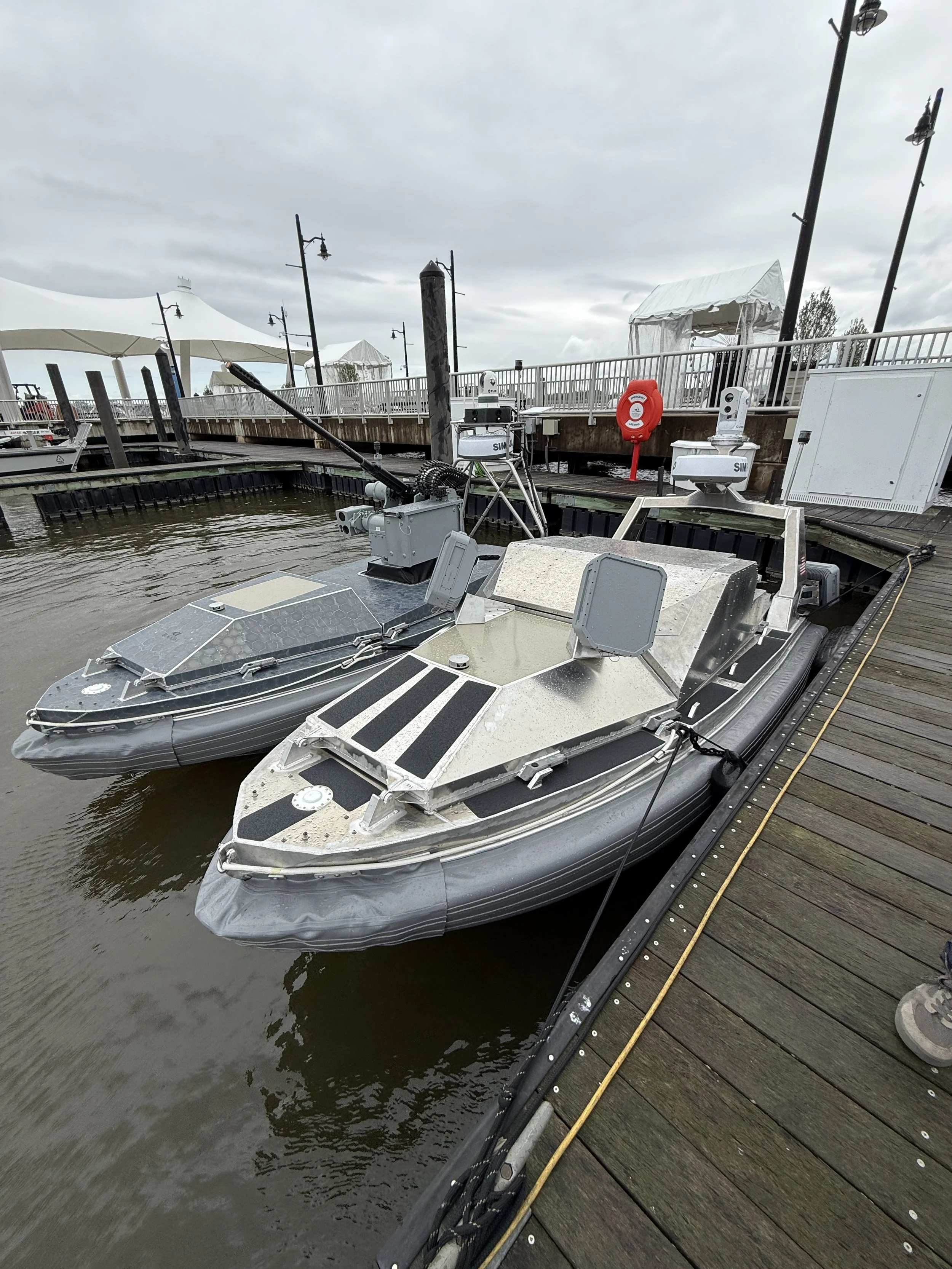
New Armed Drone Boats: BlackSea COMET & GARC
BlackSea Technologies showcased two new unmanned surface vessels at Sea Air Space 2026, highlighting the high‑speed Comet and the upgraded GARC Block 2, now known as Chaser. Built in just one month, Comet reaches more than 45 knots and carries a 10,000‑pound payload, reflecting a hull design with decades of Navy heritage. Chaser draws inspiration from Baltimore’s historic privateer schooners, offering a modular architecture, 40‑knot sprint speed, and long‑range endurance for rapidly changing missions. Together, the platforms demonstrate BlackSea’s push to deliver flexible, combat‑ready USVs for modern naval operations.
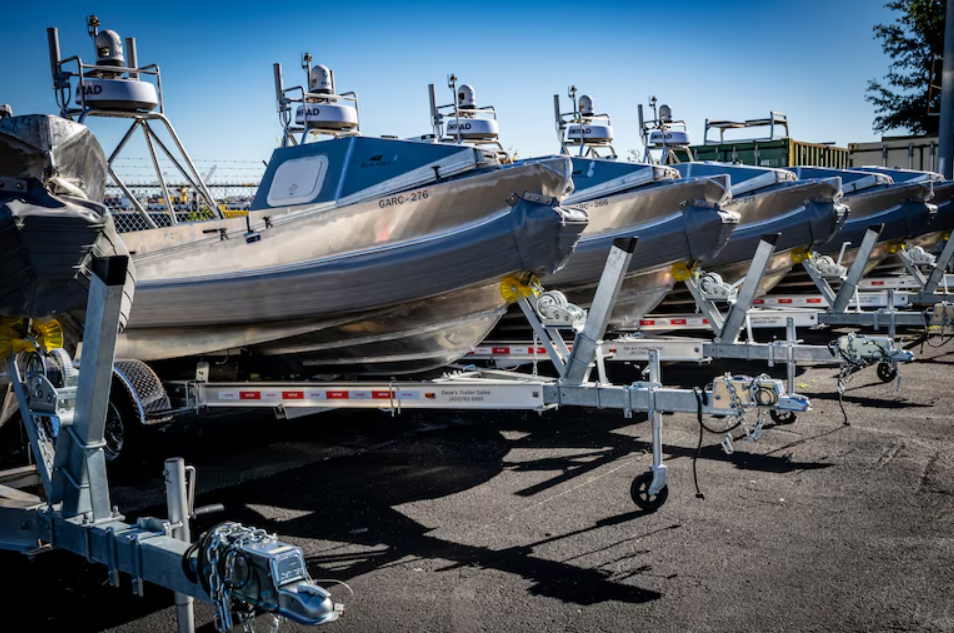
Baltimore’s drone boat company just landed another huge contract from the Navy
Baltimore‑based BlackSea Technologies has secured another major Navy contract, winning a five‑year, $256 million award to build underwater fuel delivery systems that can support forces operating near contested coastlines. The deal adds to the company’s existing Navy contract for drone boats and is expected to drive a 10 to 15 percent workforce expansion. BlackSea, already known for producing GARC unmanned vessels used in operations abroad, will build most of the new systems in South Baltimore. The contract highlights the company’s rapid growth and its role in modernizing naval logistics with autonomous and expeditionary technologies.
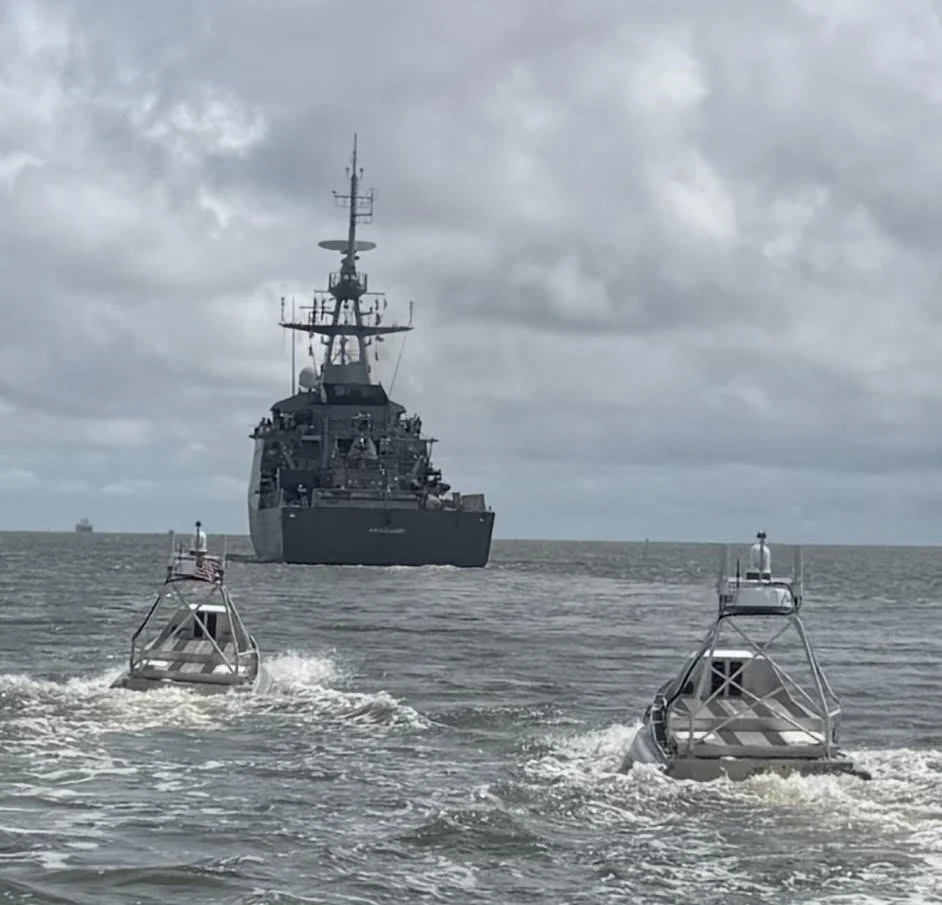
From Pier to Platform: Seabees Enable Autonomous Operations During Obangame Express 2026
During Exercise Obangame Express 2026, U.S. Navy Seabees enabled autonomous maritime operations by constructing a floating pier to support the launch and recovery of unmanned surface vessels in the Gulf of Guinea. Their work took place alongside live demonstrations by Commander, Task Force 66, including Global Autonomous Reconnaissance Craft operating in formation with partner nations. The project showcases how expeditionary engineering and autonomous systems are being integrated into real‑world exercises to expand maritime awareness and operational reach. The effort creates new opportunities for collaboration across African and international partners as unmanned capabilities continue to grow.
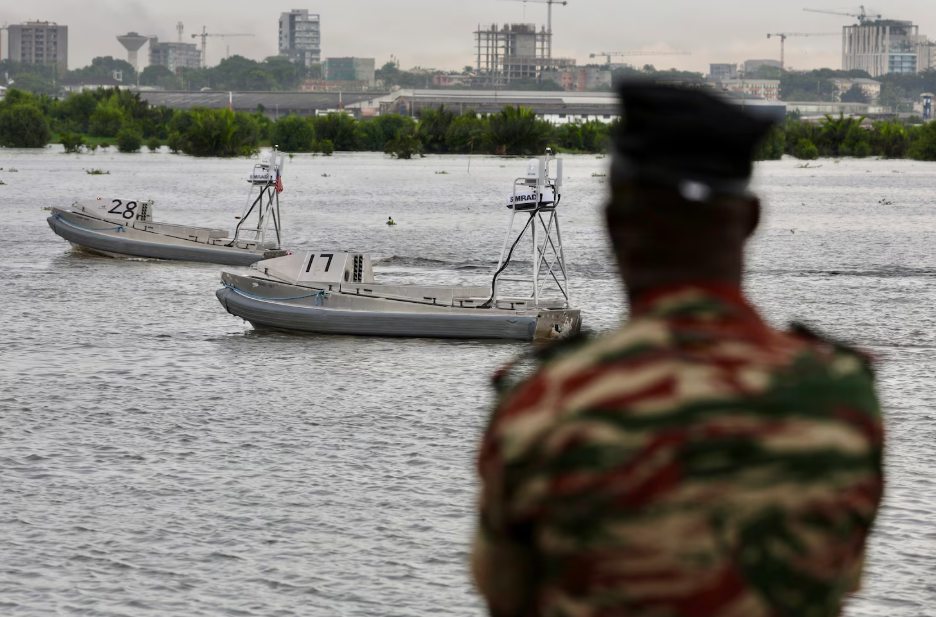
From Pier to Platform: Seabees Enable Autonomous Operations During Obangame Express 2026
U.S. Navy Seabees are supporting the future of autonomous maritime operations during Exercise Obangame Express 2026 by constructing a floating pier designed for launching and recovering unmanned surface vessels in the Gulf of Guinea. The project demonstrates how expeditionary engineering can enable autonomous systems in regions with limited infrastructure, giving naval forces new forward operating options. Working alongside partner nations, Seabees are building flexible platforms that support maritime security, enhance awareness, and expand operational reach. The effort reflects a broader push to integrate unmanned systems into routine naval missions while strengthening cooperation across West and Central Africa.
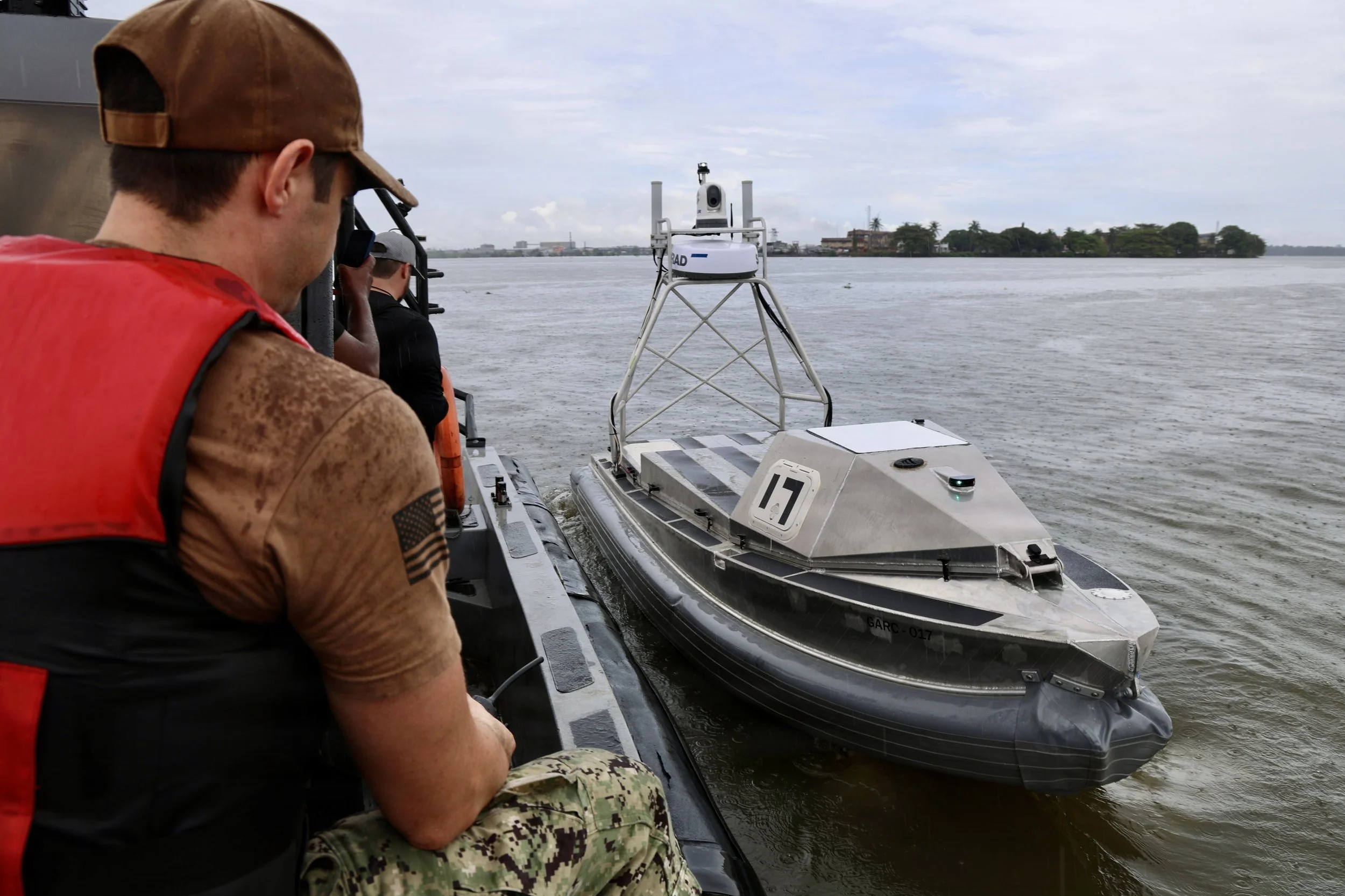
CTF 66 Conducts Autonomous Systems Demonstration During Obangame Express 2026
Lt. Alex Varon, assigned to Commander, Task Force (CTF) 66, monitors a Global Autonomous Reconnaissance Craft (GARC) during a live robotic and autonomous systems (RAS) demonstration during Exercise Obangame Express 2026 in Douala, Cameroon, April 25, 2026. Obangame Express is one of three regional maritime exercises led by U.S. Sixth Fleet as part of a comprehensive strategy to provide collaborative opportunities to African forces and international partners to address maritime security concerns.