

BlackSea Scores $256M Navy Contract for SPDS
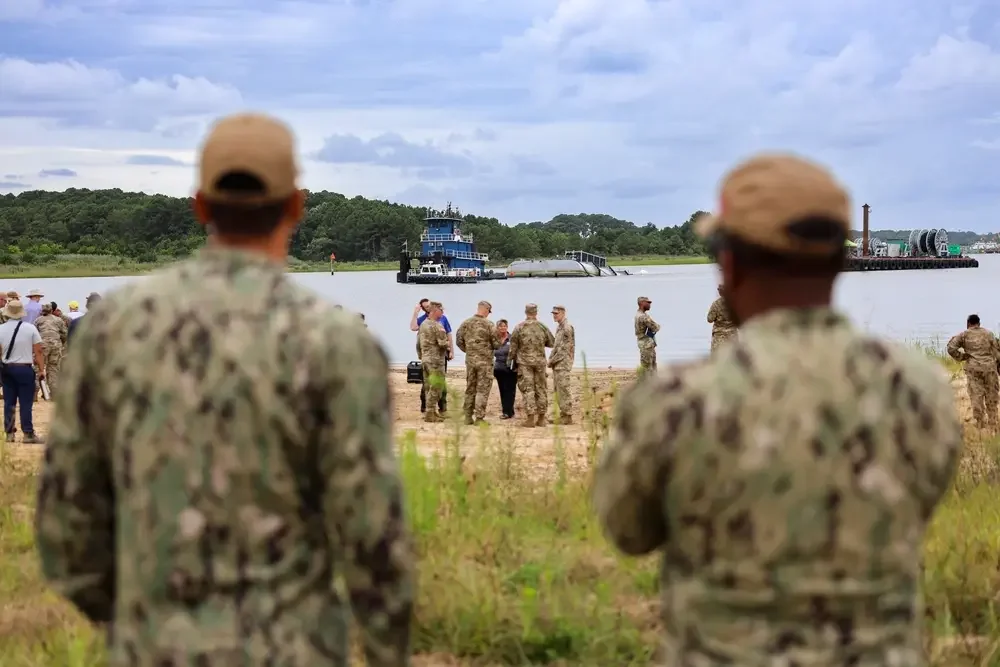
BlackSea Technologies has secured a $256 million Navy contract to build and support the Seabased Petroleum Distribution System, a next‑generation capability that pumps fuel from ship to shore without relying on vulnerable port infrastructure. The award covers up to five SPDS units, with production based in Baltimore and deliveries beginning in 2027. The system uses a submerged barge, over‑the‑shore connectors, and advanced controls to move fuel in contested environments, reducing manpower and detection risk. The contract expands BlackSea’s portfolio beyond its well‑known GARC, Chaser, NightTrain, and Comet unmanned vessels, underscoring the company’s growing role in expeditionary logistics.
BlackSea Technologies Awarded $256 Million Navy Contract
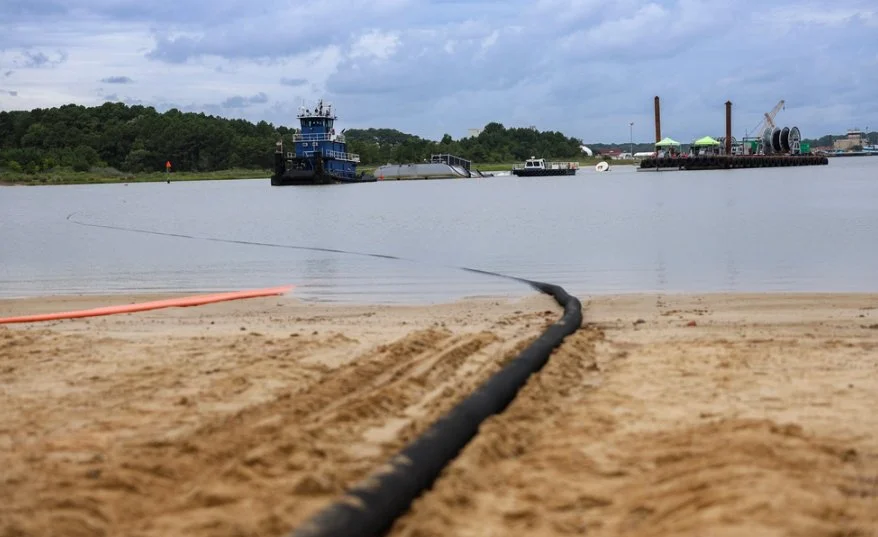
BlackSea Technologies has been awarded a five‑year, $256 million Navy contract to build and support the Seabased Petroleum Distribution System, a next‑generation capability that delivers fuel from sea to shore in contested or infrastructure‑limited environments. Under the award, BlackSea will construct up to five SPDS units, with primary production based in Baltimore and additional work supported by Gulf Coast partners. The system enhances expeditionary readiness by providing a flexible, resilient method for sustaining operations when fixed infrastructure is unavailable. BlackSea says the program draws on its maritime engineering expertise and strengthens the Navy’s ability to project and sustain power in future missions.
New Armed Drone Boats: BlackSea COMET & GARC
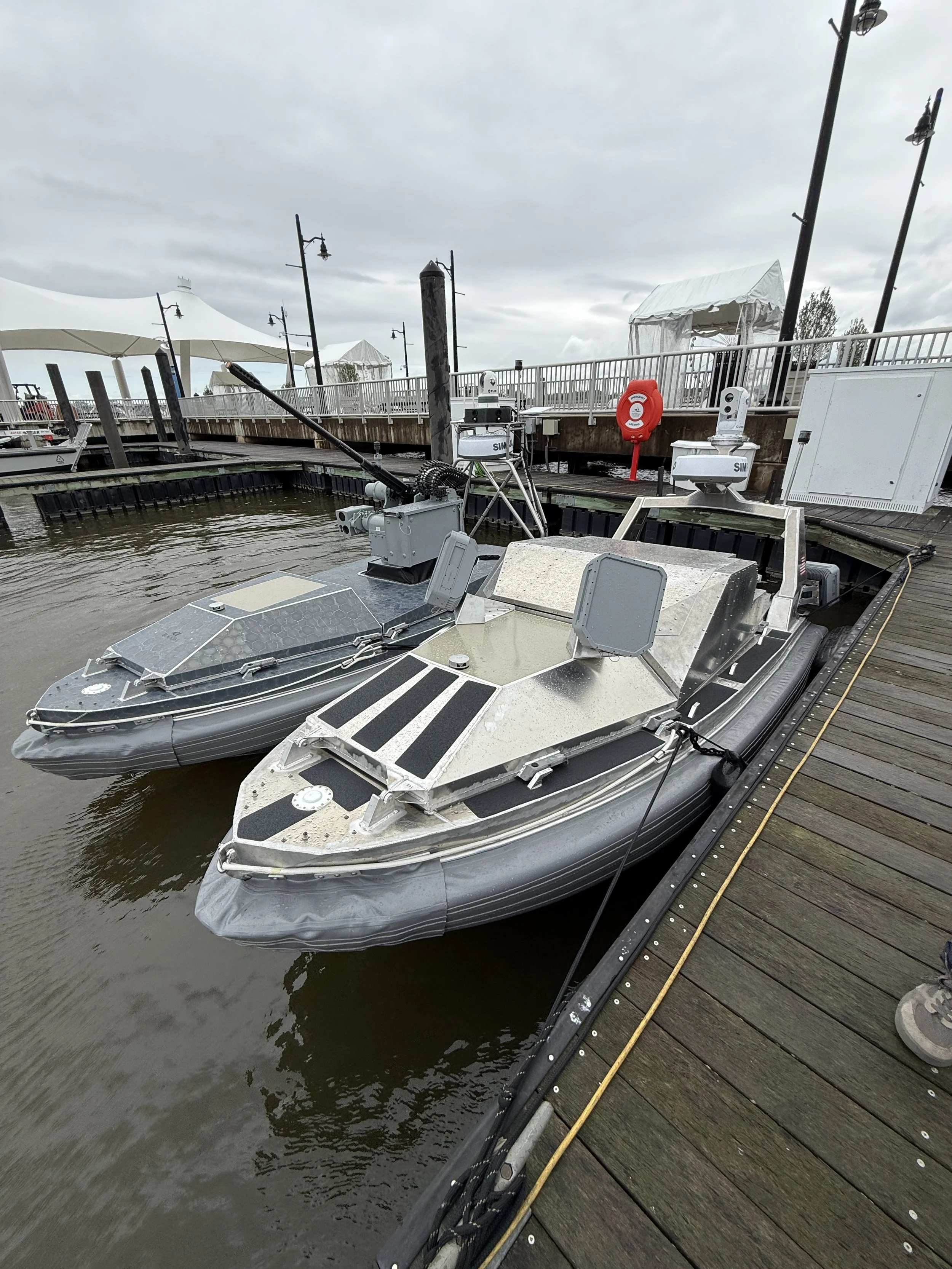
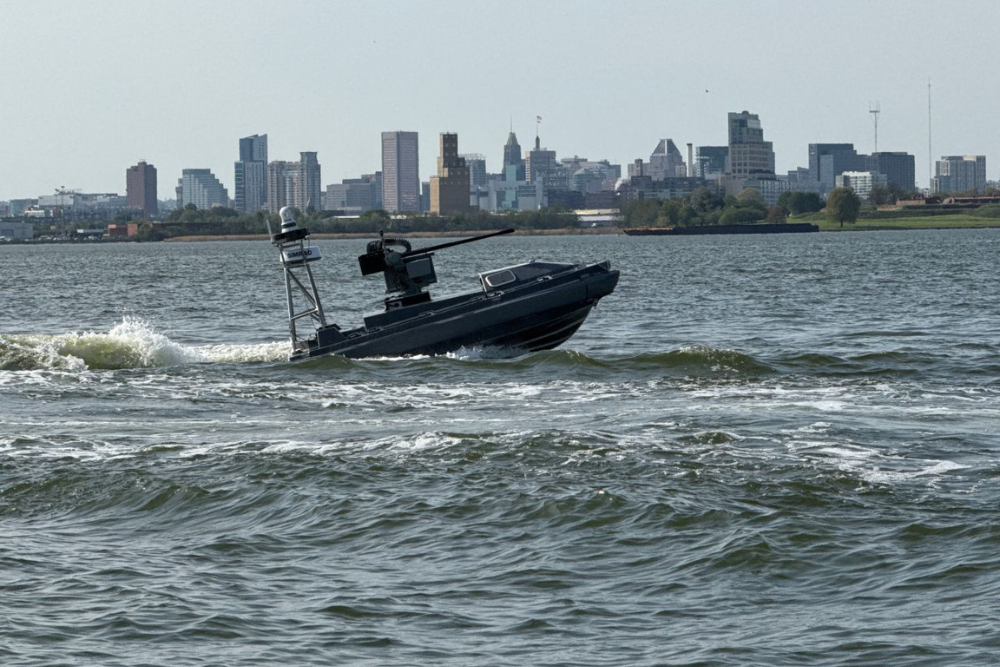
BlackSea Technologies showcased two new unmanned surface vessels at Sea Air Space 2026, highlighting the high‑speed Comet and the upgraded GARC Block 2, now known as Chaser. Built in just one month, Comet reaches more than 45 knots and carries a 10,000‑pound payload, reflecting a hull design with decades of Navy heritage. Chaser draws inspiration from Baltimore’s historic privateer schooners, offering a modular architecture, 40‑knot sprint speed, and long‑range endurance for rapidly changing missions. Together, the platforms demonstrate BlackSea’s push to deliver flexible, combat‑ready USVs for modern naval operations.
Baltimore’s drone boat company just landed another huge contract from the Navy
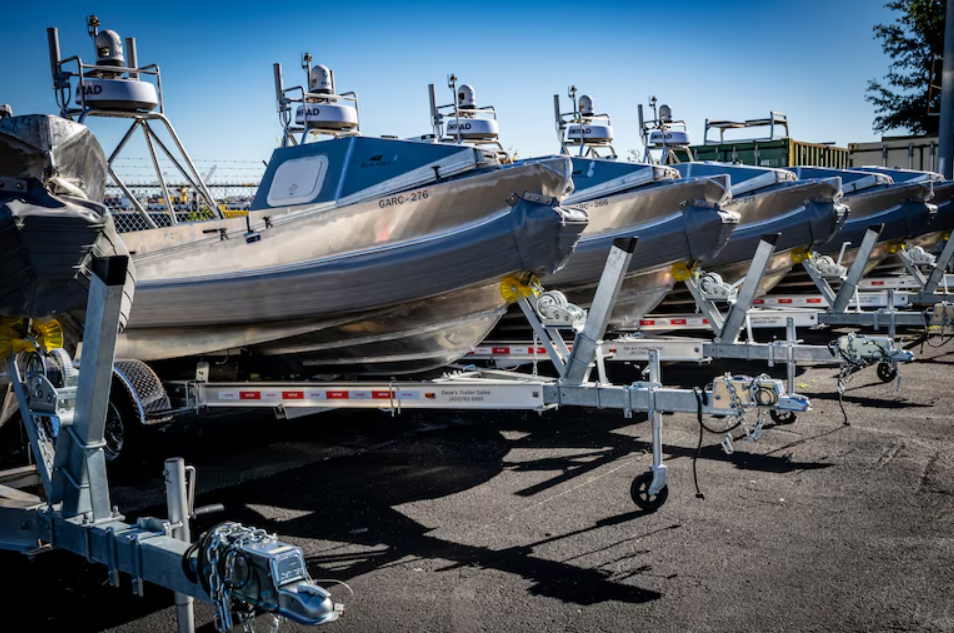
Baltimore‑based BlackSea Technologies has secured another major Navy contract, winning a five‑year, $256 million award to build underwater fuel delivery systems that can support forces operating near contested coastlines. The deal adds to the company’s existing Navy contract for drone boats and is expected to drive a 10 to 15 percent workforce expansion. BlackSea, already known for producing GARC unmanned vessels used in operations abroad, will build most of the new systems in South Baltimore. The contract highlights the company’s rapid growth and its role in modernizing naval logistics with autonomous and expeditionary technologies.
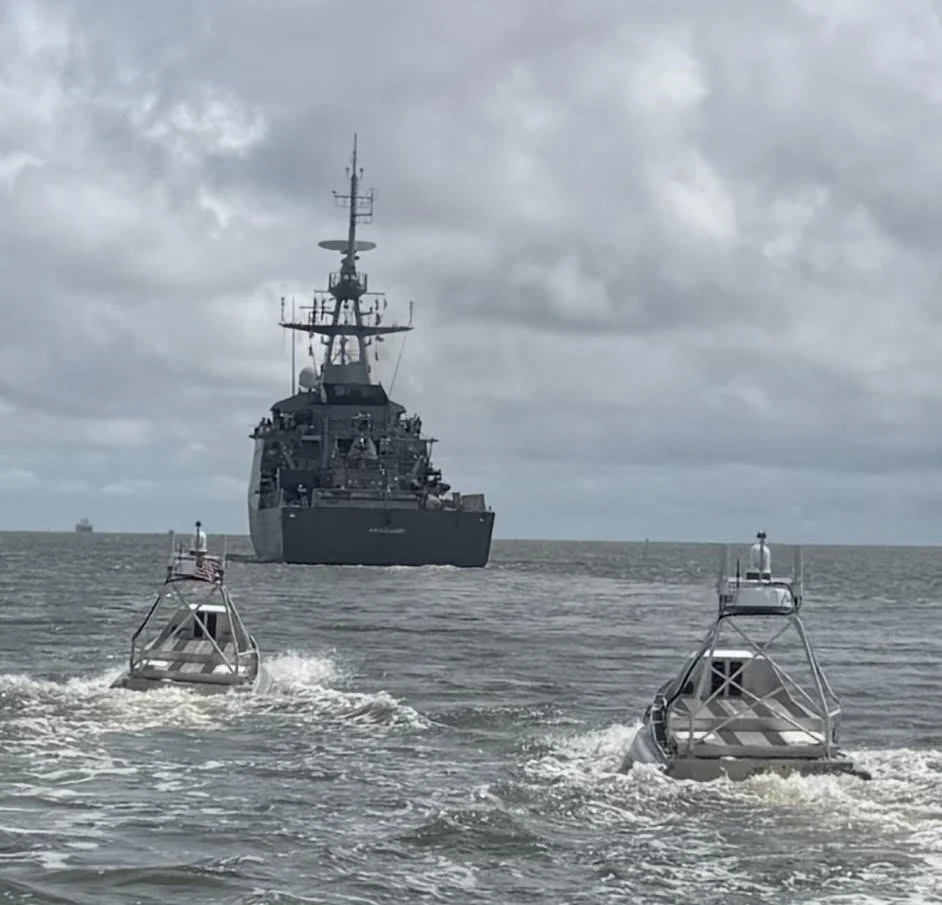
From Pier to Platform: Seabees Enable Autonomous Operations During Obangame Express 2026
During Exercise Obangame Express 2026, U.S. Navy Seabees enabled autonomous maritime operations by constructing a floating pier to support the launch and recovery of unmanned surface vessels in the Gulf of Guinea. Their work took place alongside live demonstrations by Commander, Task Force 66, including Global Autonomous Reconnaissance Craft operating in formation with partner nations. The project showcases how expeditionary engineering and autonomous systems are being integrated into real‑world exercises to expand maritime awareness and operational reach. The effort creates new opportunities for collaboration across African and international partners as unmanned capabilities continue to grow.

From Pier to Platform: Seabees Enable Autonomous Operations During Obangame Express 2026
U.S. Navy Seabees are supporting the future of autonomous maritime operations during Exercise Obangame Express 2026 by constructing a floating pier designed for launching and recovering unmanned surface vessels in the Gulf of Guinea. The project demonstrates how expeditionary engineering can enable autonomous systems in regions with limited infrastructure, giving naval forces new forward operating options. Working alongside partner nations, Seabees are building flexible platforms that support maritime security, enhance awareness, and expand operational reach. The effort reflects a broader push to integrate unmanned systems into routine naval missions while strengthening cooperation across West and Central Africa.
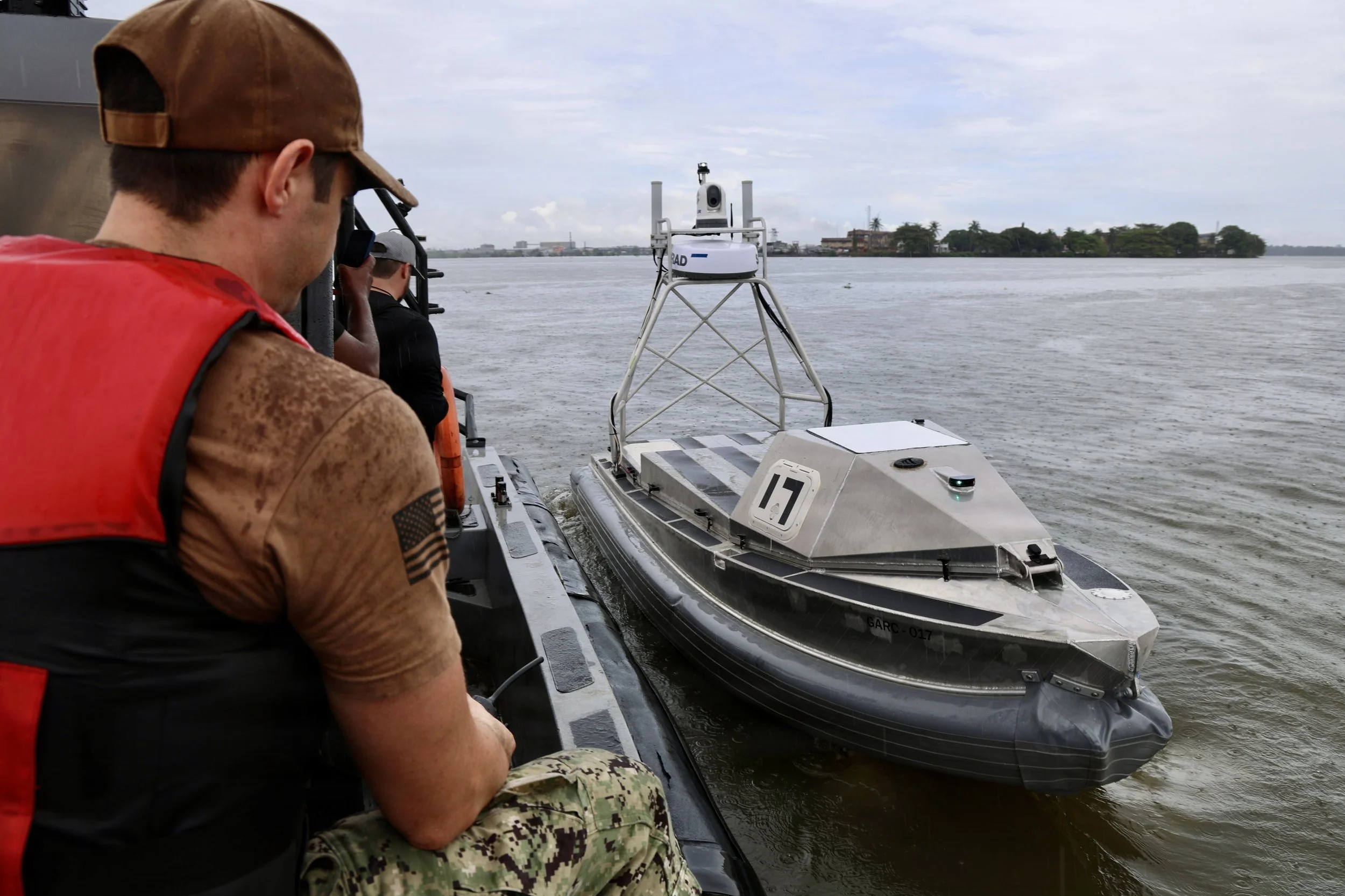
CTF 66 Conducts Autonomous Systems Demonstration During Obangame Express 2026
Lt. Alex Varon, assigned to Commander, Task Force (CTF) 66, monitors a Global Autonomous Reconnaissance Craft (GARC) during a live robotic and autonomous systems (RAS) demonstration during Exercise Obangame Express 2026 in Douala, Cameroon, April 25, 2026. Obangame Express is one of three regional maritime exercises led by U.S. Sixth Fleet as part of a comprehensive strategy to provide collaborative opportunities to African forces and international partners to address maritime security concerns.
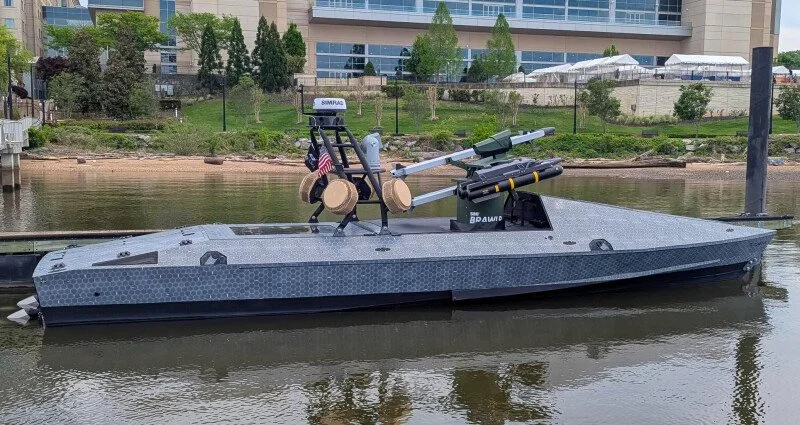
EOS demonstrates R400 RWS on Chaser uncrewed surface vessel
EOS has demonstrated its R400 remote weapon system on BlackSea Technologies’ Chaser uncrewed surface vessel during Sea‑Air‑Space 2026, marking the first time the R400 has been deployed on a USV in the United States. The integration pairs the 30 mm cannon system with sensors and launchers from partners including Lockheed Martin, Echodyne, and Current. The rapid adaptation of the R400 to an autonomous maritime platform shows how quickly the system can transition from concept to live demonstration. The event also opens new avenues for engagement with U.S. Navy stakeholders as demand grows for armed and multi‑domain unmanned systems.

ANELLO Maritime INS Selected for BlackSea Technologies’ Chaser ASV Platform
ANELLO Photonics’ Maritime Inertial Navigation System has been selected for integration into BlackSea Technologies’ Chaser autonomous surface vessel, giving the platform a high‑precision navigation solution for GPS‑denied operations. Built on ANELLO’s Silicon Photonics Optical Gyroscope technology, the INS provides accurate heading and positioning without relying on satellite signals, a growing need as jamming and spoofing threats increase. The selection follows earlier demonstrations on the GARC platform and strengthens Chaser’s modular mission capabilities. The partnership also reflects a broader shift toward resilient, internally driven navigation systems as autonomous maritime fleets expand.
Another US drone firm launches two new USV designs
BlackSea Technologies has introduced two new unmanned surface vessels, unveiling a modular model and a larger high‑speed combat‑focused design. The smaller platform fits inside a standard 20‑foot container and supports rapid payload swaps for missions ranging from ISR to surface operations. The 13.1‑meter high‑speed variant can exceed 45 knots and carry more than 4,500 kilograms of payload for roles such as mine countermeasures and surface warfare. With contributions from major defense partners and more than 350 earlier GARC units already delivered, the new designs highlight BlackSea’s push to expand its autonomous maritime fleet.