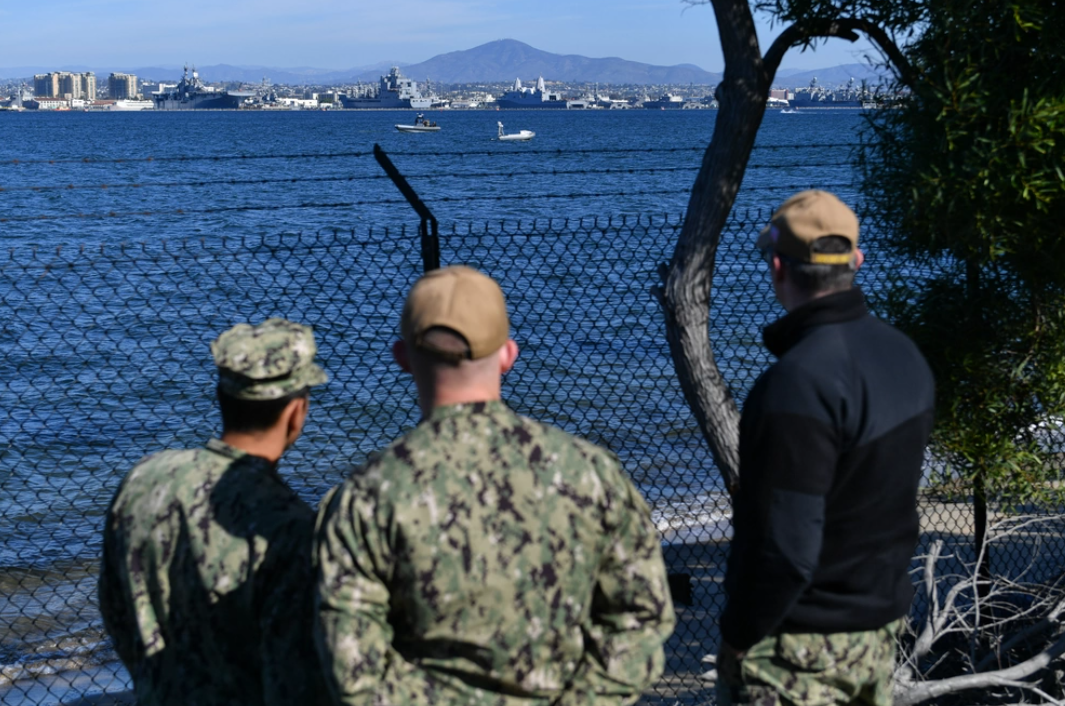
Leadership sees GARCs in action
Sailors assigned to Unmanned Surface Vessel Squadron 3 (USVRON 3) watch as one of the squadron's new Global Autonomous Reconnaissance Crafts (GARCs) is remotely controlled while navigating San Diego Bay. The 16-foot vessels built by BlackSea Technologies enable research, testing, and operations that will allow integration throughout the surface, expeditionary, and joint maritime forces. (U.S. Navy photo by Mass Communication Specialist 1st Class Claire M. DuBois)
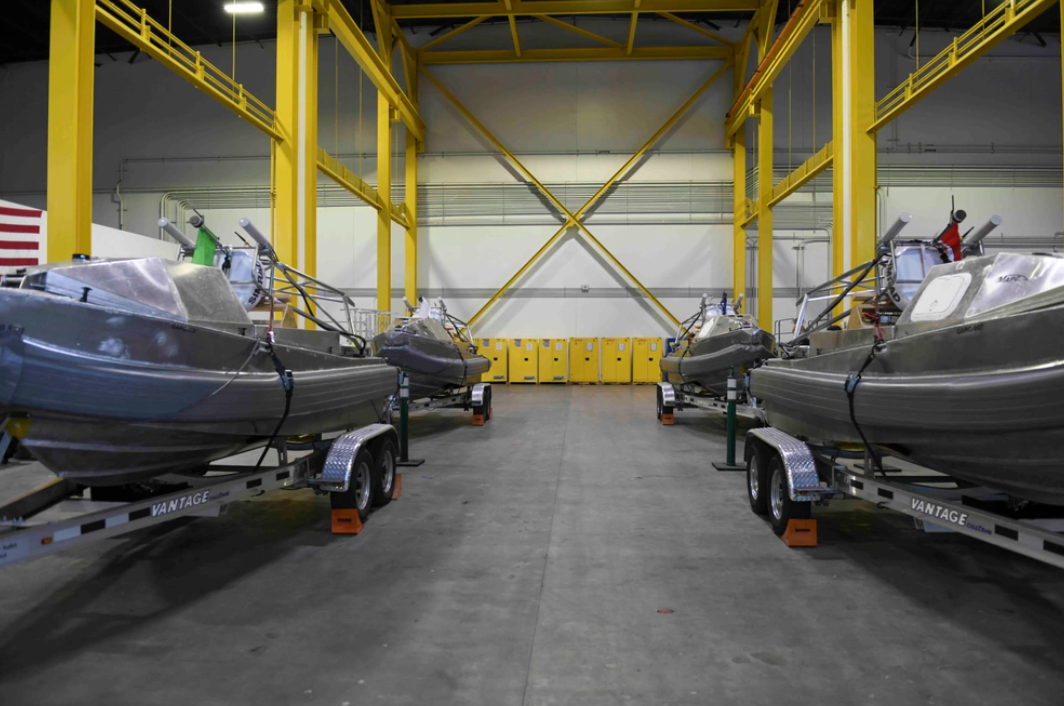
First GARCs Delivered to Surface Force for Research, Testing
The first four Global Autonomous Reconnaissance Crafts (GARCs) are delivered to Unmanned Surface Vessel Squadron 3 (USVRON 3). The 16-foot vessels built by BlackSea Technologies enable research, testing, and operations that will allow integration throughout the surface, expeditionary, and joint maritime forces. (U.S. Navy photo by Mass Communication Specialist 1st Class Kelby Sanders)
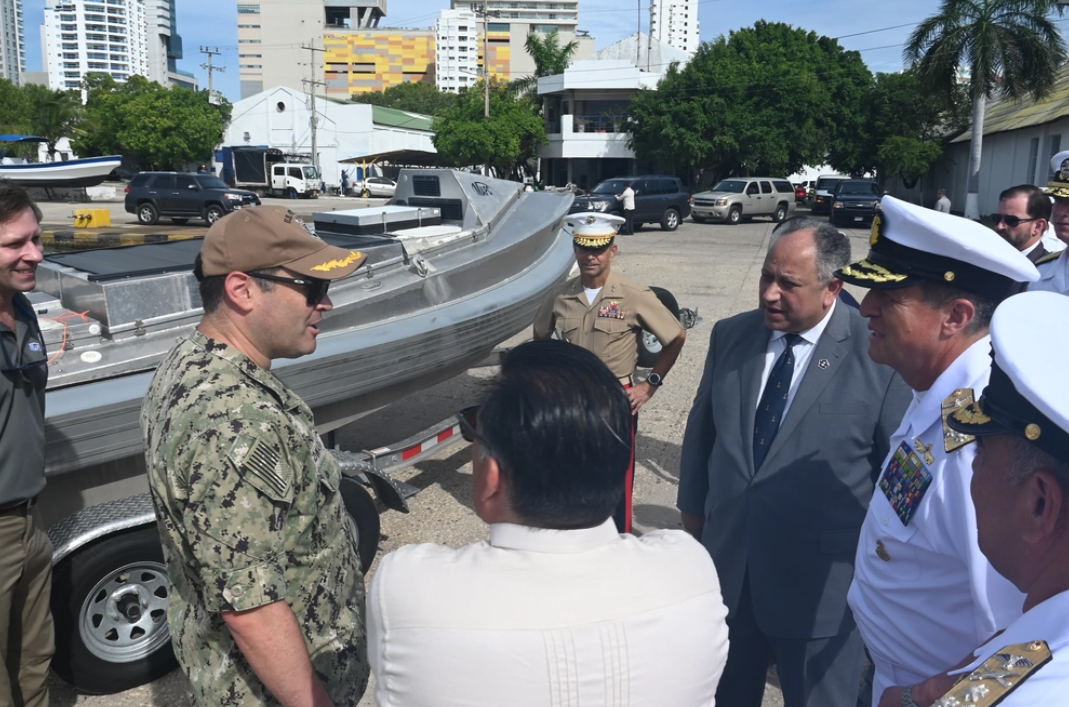
U.S. Secretary of the Navy visits UNITAS LXIV
Secretary of the Navy Carlos Del Toro is briefed on the Global Autonomous Reconnaissance Craft (GARC) by Combined Forces Maritime Component Command Technology and Innovations director, Cmdr. David Edwards aboard Colombian Base Naval Logistica ARC "Bolivar" during UNITAS LXIV, July 12, 2023. UNITAS is the world’s longest-running maritime exercise. Hosted this year by Colombia, it brings together multinational forces from 20 partner nations, including 26 warships/vessels, three submarines, 25 aircraft (fixed wing/helicopter) and approximately 7,000 people. The exercise trains forces in joint maritime operations that enhance tactical proficiency and increase interoperability with the presence of unmanned air, surface, and submarine systems. Forces will conduct operations off the coast of Cartagena, Colombia, and ashore in Covenas and Barranquilla, Colombia, through July 21. (U.S. Navy photo by Mass Communication Specialist 1st Class Hunter S. Harwell)
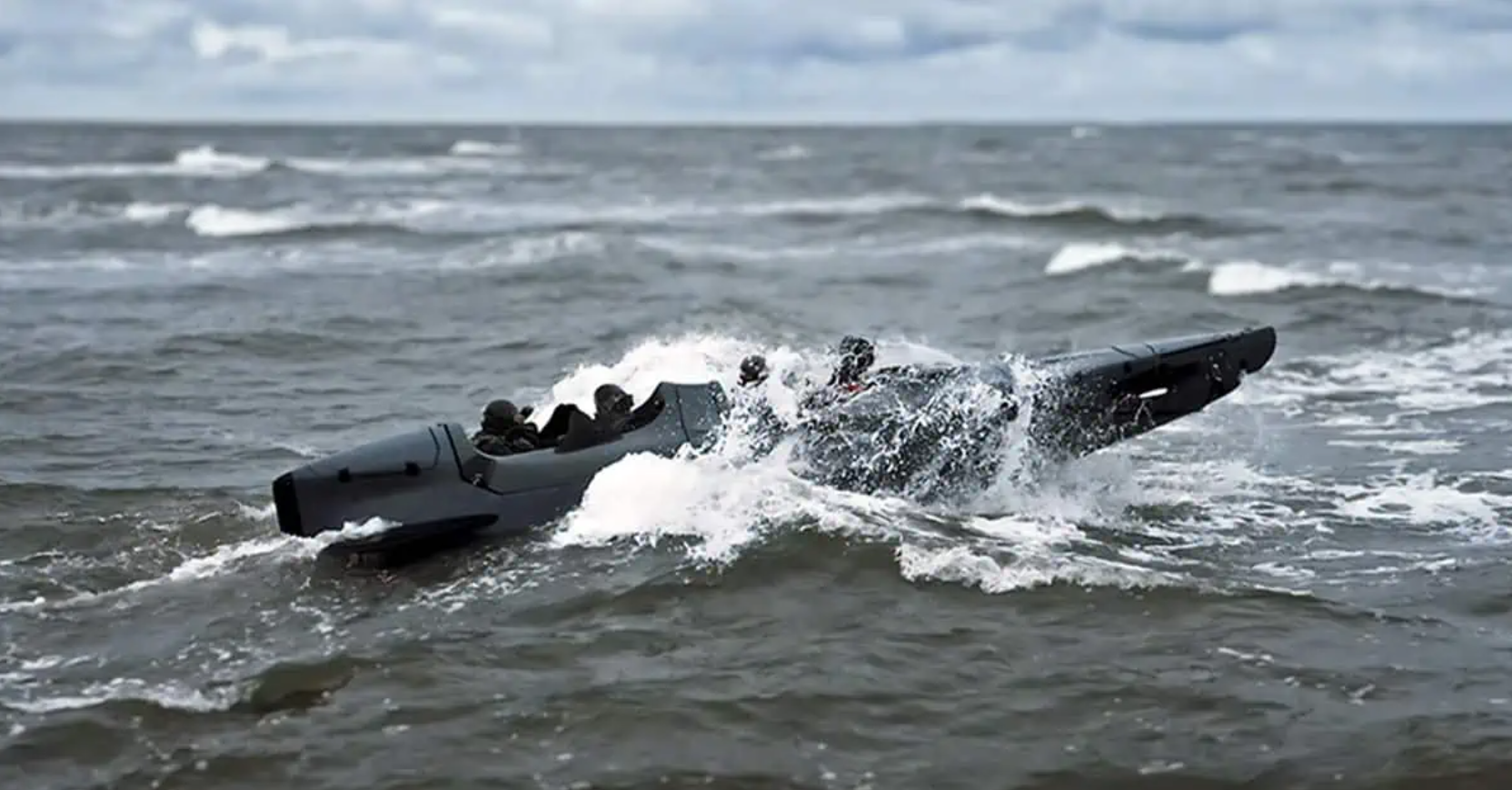
Check Out The ‘Shadow Seal’ 4-Man Tactical Diving Vehicle
Developed by JFD in partnership with Mission Solutions (formerly Blue Tide Marine), the Shadow Seal is a next-generation 4-man tactical diving vehicle designed for long-range, multi-mission operations.
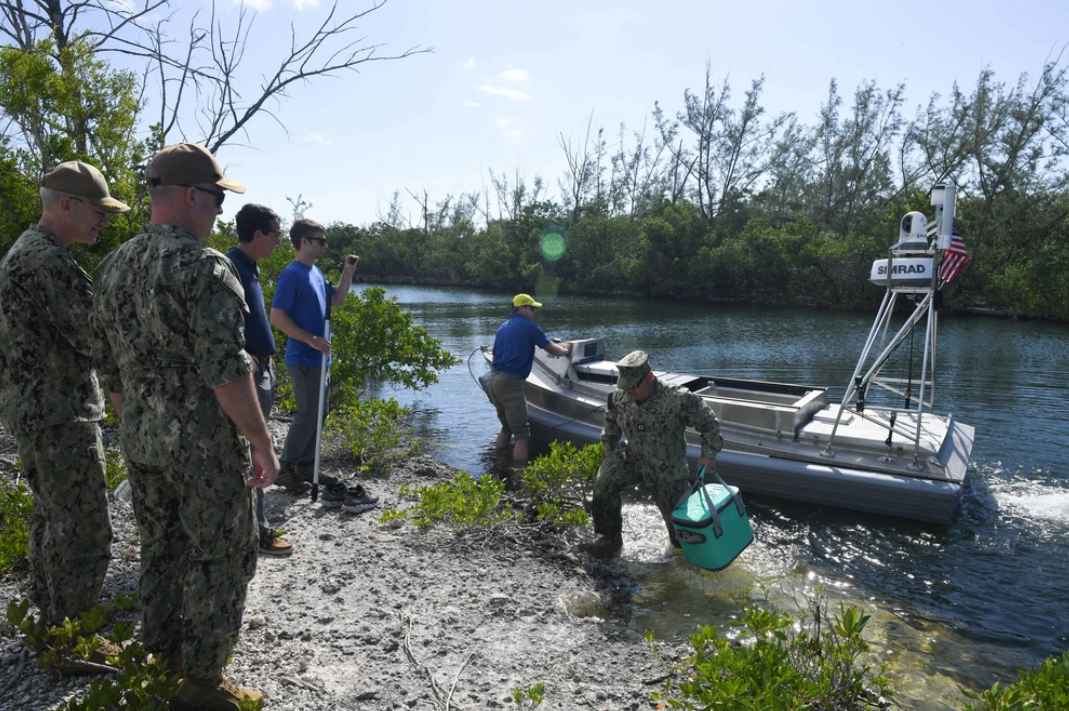
Navy's FLEX at Forefront of Emerging Technologies
Rear Adm. Doug Sasse, Reserve Vice Commander, U.S. 4th Fleet, second from left, and Capt. Chip Wrye, U.S. 4th Fleet Maritime Operations Center Director, await Lt. Sergio Zavala assigned to Naval Reserve Fleet Readiness Center Jacksonville, pick up and deliver an item from the Global Autonomous Reconnaissance Craft (GARC) built by BlackSea Technologies as it reaches its destination autonomously during the Navy’s Fleet Experimentation Program (FLEX), held at Naval Station Key West, Fla., Oct. 21, 2022. FLEX aims to test various unmanned aerial and surface systems in order to strengthen and increase warfighter capabilities. (U.S. Navy photo by Mass Communication Specialist 1st Class Steven Khor/Released)
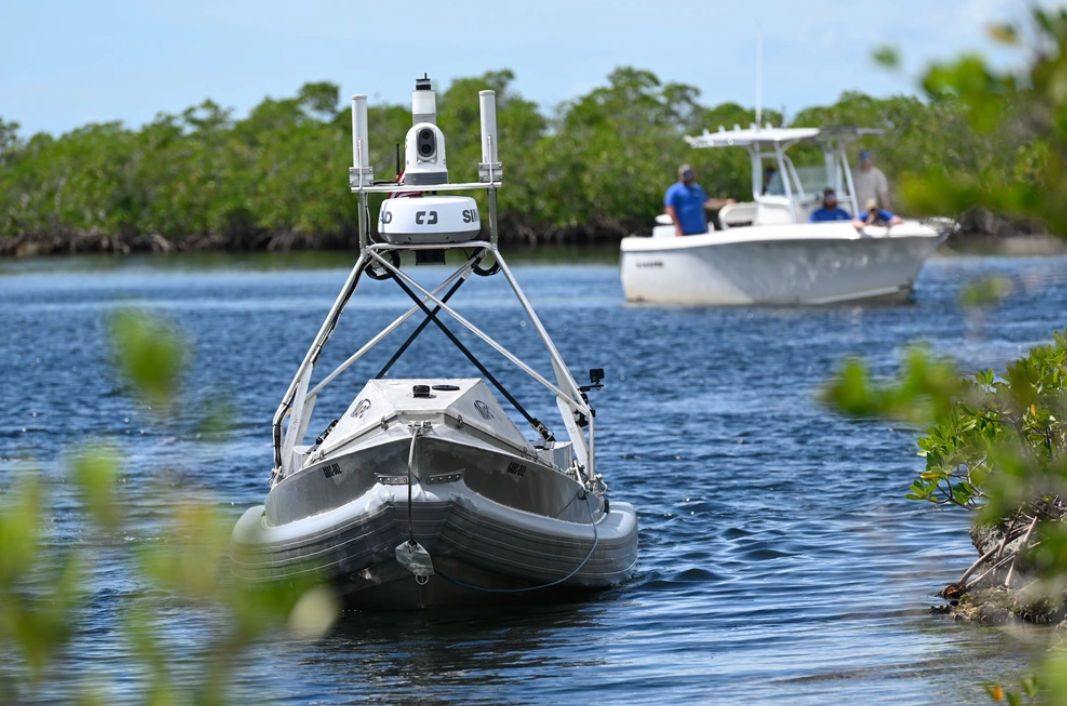
Navy's FLEX Continues on Key West
The Global Autonomous Reconnaissance Craft (GARC) built by BlackSea Technologies reaches its destination autonomously to waiting onlookers from the Scientists-to-Sea program during the Navy’s Fleet Experimentation Program (FLEX), held at Naval Station Key West, Fla., Oct. 18, 2022. FLEX aims to test various unmanned aerial and surface systems in order to strengthen and increase warfighter capabilities. (U.S. Navy photo by Mass Communication Specialist 1st Class Steven Khor/Released)
Navy's FLEX Continues on Key West
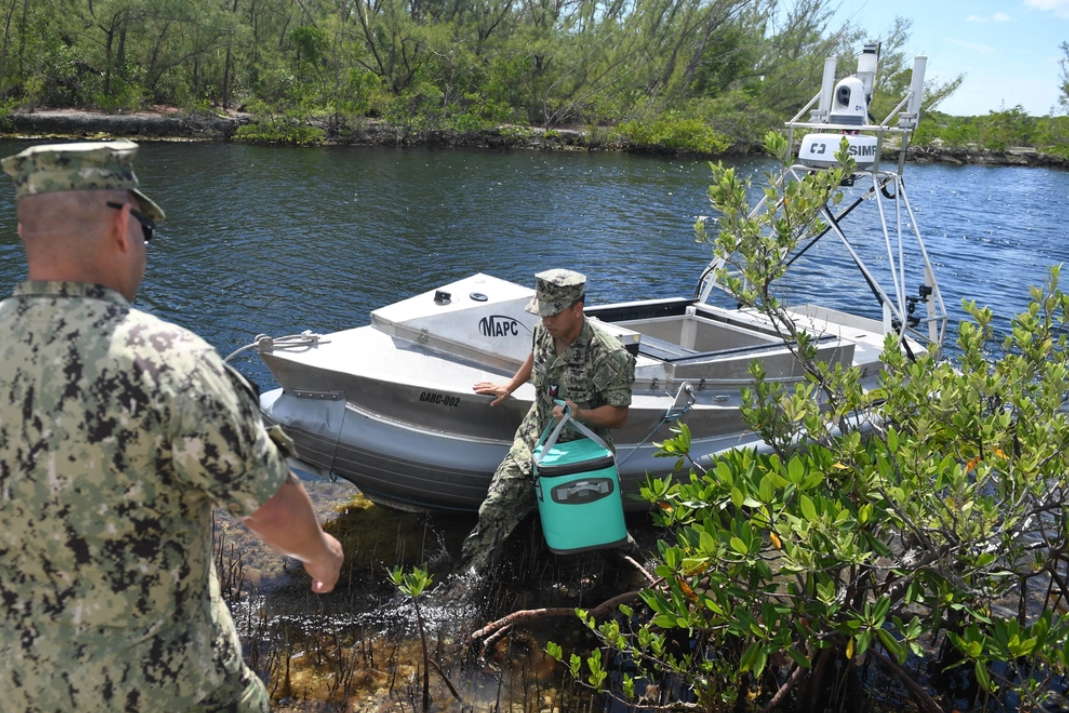
Aviation Structural Mechanic (Safety Equipment) 1st Class Rodrigo Lopez, middle, and Lt. Sergio Zavala, Sailors assigned to Naval Reserve Fleet Readiness Center Jacksonville, pickup a delivery item from the Global Autonomous Reconnaissance Craft (GARC) built by BlackSea Technologies as it reaches its destination autonomously amongst onlookers from the Scientists-to-Sea program during the Navy’s Fleet Experimentation Program (FLEX), held at Naval Station Key West, Fla., Oct. 18, 2022. FLEX aims to test various unmanned aerial and surface systems in order to strengthen and increase warfighter capabilities. (U.S. Navy photo by Mass Communication Specialist 1st Class Steven Khor/Released)
Navy's FLEX Continues on Key West
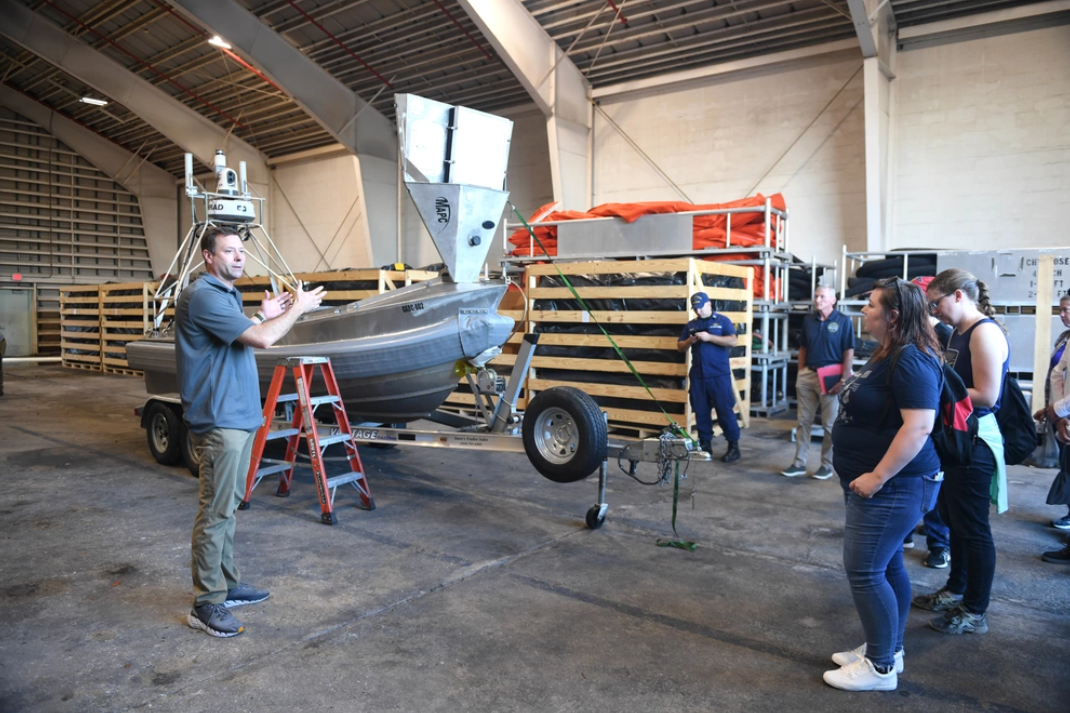
Greg Sutton, Vice President of Maritime Applied Physics Corporation (MAP-C) explains the functions of the Global Autonomous Reconnaissance Craft (GARC) to scientists from the Scientists-to-Sea program during the Navy’s Fleet Experimentation Program (FLEX), held at Naval Station Key West, Oct. 18, 2022. FLEX aims to test various unmanned aerial and surface systems in order to strengthen and increase warfighter capabilities. (U.S. Navy photo by Mass Communication Specialist 1st Class Steven Khor/Released)
USNS Burlington Conducts Navy's Fleet Experimentation Program
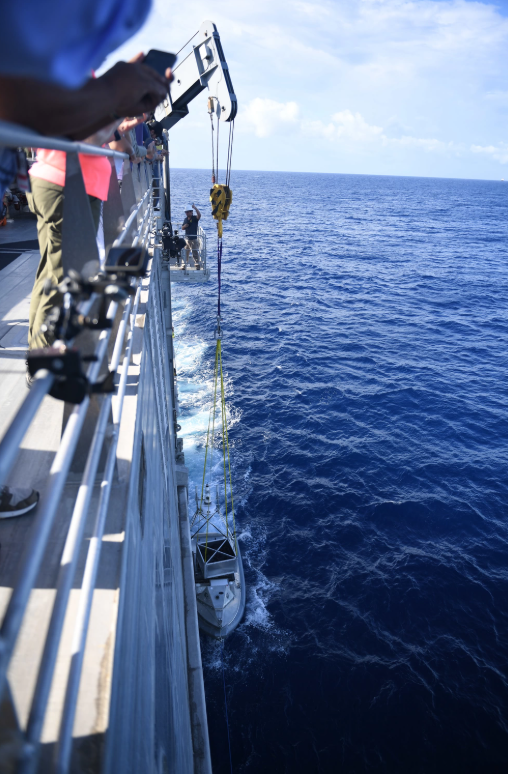
The Global Autonomous Reconnaissance Craft (GARC) by BlackSea Technologies autonomously delivers a 500 pound payload to the Spearhead-Class expeditionary fast transport vessel USNS Burlington (T-EPF-10), amongst onlookers from the Scientists-to-Sea program underway in the Atlantic Ocean during the Navy’s Fleet Experimentation Program (FLEX), Oct. 16, 2022. (U.S. Navy photo by Mass Communication Specialist 1st Class Steven Khor/Released)
USNS Burlington Conducts Navy's Fleet Experimentation Program
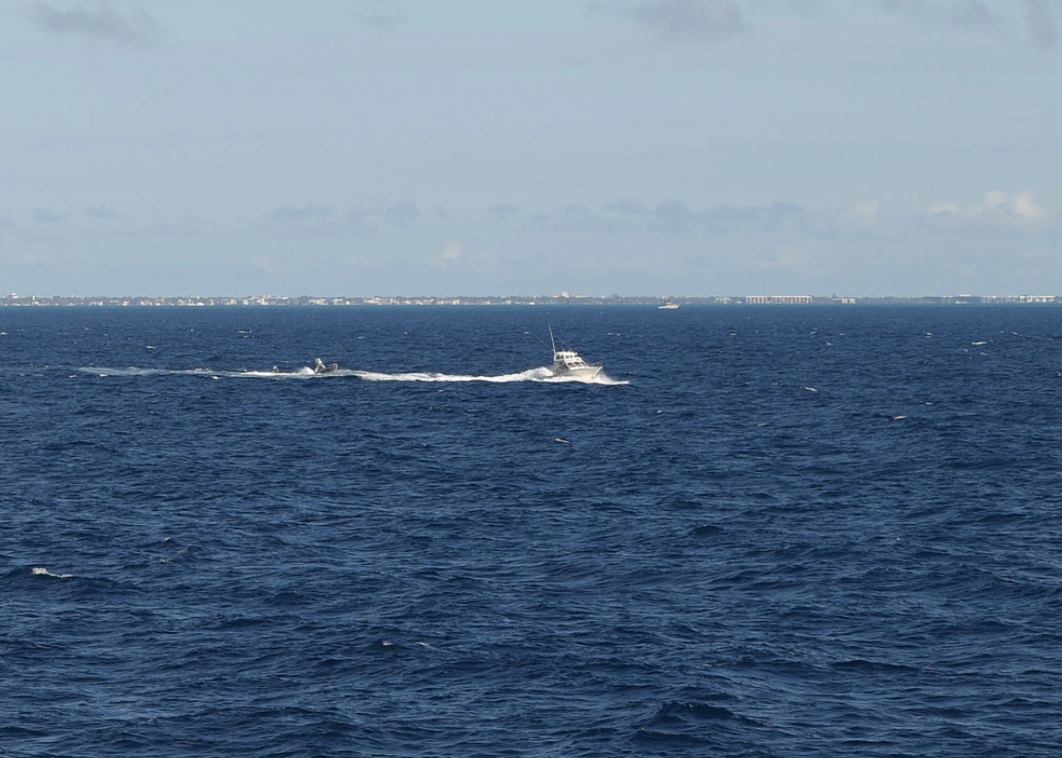
The Global Autonomous Reconnaissance Craft (GARC) by BlackSea Technologies autonomously gives chase to a boat in the Atlantic Ocean amongst onlookers from the Scientists-to-Sea program underway on the Spearhead-Class expeditionary fast transport vessel USNS Burlington (T-EPF-10), during the Navy’s Fleet Experimentation Program (FLEX), Oct. 16, 2022. (U.S. Navy photo by Mass Communication Specialist 1st Class Steven Khor/Released)